How to Create a Simple Business Budget That Actually Works

How to Create a Simple Business Budget That Actually Works

budget

Most small business owners know they should have a budget.

But in reality, many either:

  • Don’t create one
  • Create one and never follow it
  • Or make it too complicated to use

The truth is, a business budget only works if it’s simple, realistic, and easy to maintain.

If done right, small business budgeting gives you control over spending, improves cash flow, and helps you make better decisions.

Here’s how to create a budget that actually works — not just one that looks good on paper.

budget

Why Most Business Budgets Fail

budget calculator

Why Most Business Budgets Fail

Budgets fail because they’re either too detailed or too disconnected from reality.

Many businesses:

  • Guess their numbers
  • Ignore real expenses
  • Don’t update regularly
  • Avoid tracking actual spending

Without proper business expense tracking, even the best budget becomes useless.

A budget is not just planning — it’s a system.

Step 1: Know Your Real Numbers

Before creating a budget, you need accurate data.

Look at:

  • Monthly revenue
  • Fixed expenses (rent, salaries, software)
  • Variable expenses (marketing, travel, supplies)

If your numbers are unclear, your budget will be inaccurate.

This is where many businesses struggle — not because budgeting is hard, but because their data is incomplete.

Step 2: Track Every Expense

Step 2: Track Every Expense

A budget only works when expenses are tracked consistently.

If you don’t know where money is going, you can’t control it.

Strong small business expense management requires:

  • Recording expenses in real time
  • Keeping receipts
  • Categorizing spending

This creates visibility — the foundation of budgeting.

Step 3: Create Simple Spending Categories

fake claims

Your budget doesn’t need 50 categories.

Keep it simple:

  • Fixed costs
  • Operating expenses
  • Growth expenses
  • Miscellaneous

Clear categories make budgeting easier to follow and maintain.

fake claims

Step 4: Set Realistic Limits

Step 4: Set Realistic Limits

Your budget should reflect how your business actually operates.

Avoid:

  • Over-restricting spending
  • Setting unrealistic targets
  • Ignoring variable costs

A working budget is flexible — not rigid.

Step 5: Review and Adjust Regularly

A budget is not a one-time task.

You should:

  • Review weekly or monthly
  • Compare planned vs actual spending
  • Adjust based on business changes

This keeps your budget relevant and effective.

How Manage Receipt Makes Budgeting Easier

How Manage Receipt Makes Budgeting Easier

Most budgeting problems come from poor tracking, not poor planning.

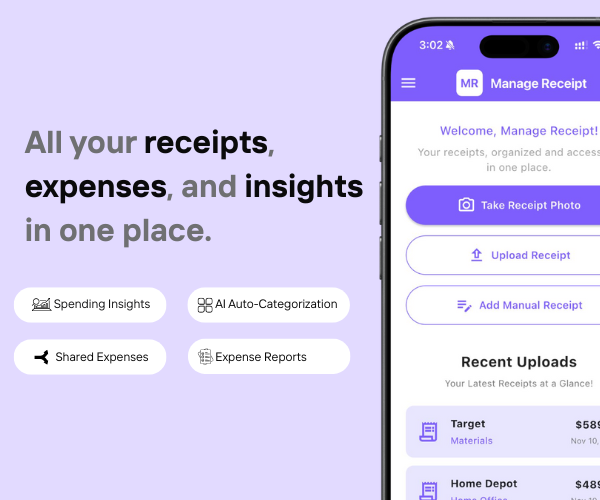
Manage Receipt helps simplify this by:

  •  Capture receipts instantly to prevent loss

  •  Store all receipts in one centralized system

  •  Access proof quickly for approvals and audits

  • Improve visibility into spending

  •  Reduce manual work and admin overhead

This helps SMBs build a cleaner, faster, and more reliable expense process.

Click Here to know more about how Manage Receipt helps small businesses.

Conclusion

Learning how to create a business budget isn’t about building complex spreadsheets — it’s about creating a system you can actually follow.

When expenses are tracked properly, categories are clear, and reviews are consistent, budgeting becomes a powerful tool instead of a frustrating task.

With tools like Manage Receipt, businesses can simplify expense tracking, maintain accurate records, and build budgets that truly work.

Because a budget doesn’t control your business —
it gives you control over it.

FAQs

Q1. What is the best way to create a business budget?

Start with real data, track expenses consistently, and keep categories simple.

Q2. How often should I review my business budget?

Monthly reviews work best for most small businesses.

Q3. Why do small business budgets fail?

Due to poor expense tracking and unrealistic planning.

Q4. Do I need software for budgeting?

Not necessarily, but tools improve accuracy and consistency.

Q5. How does Manage Receipt help with budgeting?

It tracks expenses and organizes receipts, providing accurate data for budgeting.
app screens

Peace of Mind with Every High-Value Purchase

app screens

From smartphones to air conditioners, big purchases come with big responsibilities. With Manage Receipt, you can stop worrying about lost receipt. Whether you’re requesting a refund or sending a product for repair, your receipts are always there when you need them.