



Most small businesses don’t struggle because they spend too much — they struggle because they don’t track what they spend.
At the beginning, it feels manageable. A few expenses here and there, maybe a quick note, maybe a spreadsheet. But as the business grows, expenses increase, receipts pile up, and things start slipping through the cracks.
That’s when the need for a proper business expense tracking system becomes obvious.
The good news is you don’t need anything complex to get started. You just need a system that’s simple, consistent, and easy to maintain.

Many business owners think they’re “behind” because they don’t already have a system.
In reality, starting from scratch is an advantage.
You’re not fixing a broken process. You’re building a clean one.
Most problems in small business expense management come from messy habits — mixing personal expenses, missing receipts, or tracking things inconsistently. When you start fresh, you can avoid all of that from day one.

Before you build a system, define what counts as a business expense.
This typically includes:
The goal is clarity.
If you’re unsure whether something should be tracked, it’s better to include it. You can always categorize later.
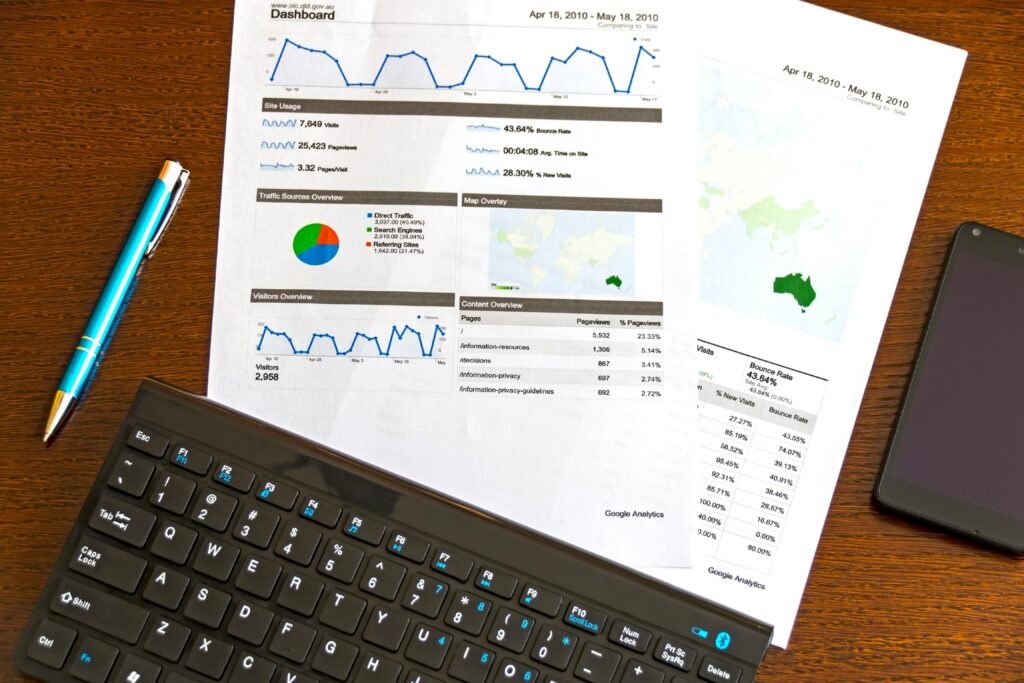
The biggest mistake in expense tracking is delay.
When you rely on memory, you forget details. Receipts get lost. Transactions become unclear.
Strong business expense tracking starts with one rule:
👉 Capture expenses the moment they happen.
This includes saving receipts, recording amounts, and noting the purpose of the expense.
Consistency matters more than perfection.

A good system doesn’t need complexity — it needs structure.
Instead of overcomplicating things, create a few clear categories that reflect how your business operates.
This helps with:
The goal is to make your data easy to understand, not just store it.

Tracking alone isn’t enough. You need to review your data regularly.
This doesn’t have to be time-consuming. A quick weekly or monthly check helps you:
This step turns tracking into insight.

Expense tracking isn’t just for today — it’s for future use.
You’ll need your records for:
That’s why bookkeeping for small business depends heavily on proper record storage.
Digital systems are more reliable than paper, easier to access, and far less stressful to manage.
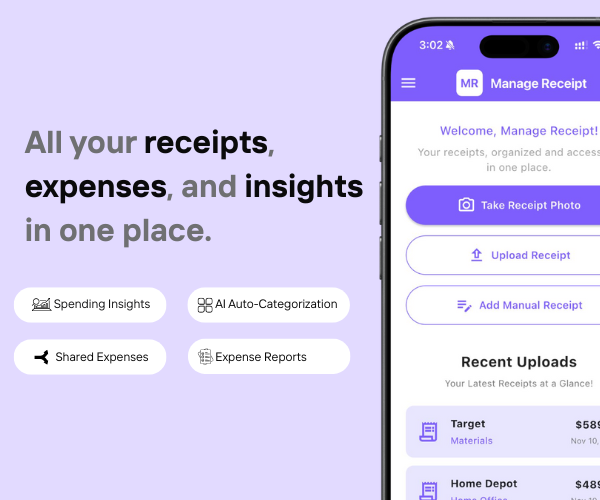
Most systems fail because they depend on manual effort.
That’s where tools like Manage Receipt make a difference.
Instead of remembering to log expenses later, you can:
Capture receipts instantly to prevent loss
Store all receipts in one centralized system
Access proof quickly for approvals and audits
Improve visibility into spending
Reduce manual work and admin overhead
This helps SMBs build a cleaner, faster, and more reliable expense process.
Click Here to know more about how Manage Receipt helps small businesses.

Starting a business expense tracking system from scratch might feel like a big step, but it’s one of the most important systems you can build. It doesn’t need to be complicated. It just needs to be consistent.
When you track expenses in real time, organize receipts properly, and review your finances regularly, everything becomes easier — from budgeting to tax filing.
With tools like Manage Receipt, small businesses can simplify expense tracking, reduce errors, and build a system that actually works long-term.
Because in business, clarity always starts with tracking.

From smartphones to air conditioners, big purchases come with big responsibilities. With Manage Receipt, you can stop worrying about lost receipt. Whether you’re requesting a refund or sending a product for repair, your receipts are always there when you need them.


© 2025 Manage Receipt. All Rights Reserved.
