






Lease Negotiation Costs: What to Track When Signing a Commercial Space

Why Lease Negotiation Costs Are Easy to Lose Track Of

Costs are spread across weeks or months, not one transaction. Unlike a single purchase, lease negotiation involves multiple payments to different parties over an extended period, which makes it easy for individual costs to slip through.

Different professionals bill separately for their part. An attorney, a broker, and the landlord may each send invoices at different times, using different terminology, which complicates keeping a single organized record.

Some costs feel like one-time events, so they get skipped. A deposit or an application fee might feel too small or too one-off to bother logging, but these add up to real money that should be tracked and deducted correctly.

Professional Fees to Track

Professional Fees to Track

Attorney review fees are a core cost of the process. Having a lawyer review or negotiate lease terms protects your business, and the fee is generally deductible as a professional service expense.

Broker or agent commissions may apply depending on the deal. In some markets, tenants pay a portion of the broker’s commission directly, so track this separately from the lease payments themselves.

Consulting fees for site evaluation can add up. If you hired a consultant to assess the location, foot traffic, or zoning compatibility, this cost is tied directly to the leasing decision and should be documented.

Deposits and Upfront Payments

Security deposits need their own tracking category. Since deposits are often refundable, they aren’t treated the same as a straightforward expense, so keep this record separate from your regular operating costs.

First and last month’s rent are typically paid upfront. Many commercial leases require this before you even receive keys, so budget and document these payments as part of your initial leasing costs, not ongoing rent.

Application or credit check fees are small but should still be logged. These fees are easy to forget, but they’re a real cost of securing the space and worth keeping a receipt for.

Buildout and Improvement Costs

Buildout and Improvement Costs

Tenant improvement costs vary based on the lease terms. Some landlords offer a tenant improvement allowance, while others expect the tenant to cover buildout costs entirely, so understand this split before signing.

Track buildout expenses separately from the lease itself. Renovation, electrical work, flooring, and signage installation are capital improvements, often depreciated differently than your monthly rent.

Permits and inspection fees are part of the buildout process. Local permits required before opening are a deductible cost tied directly to preparing the space for business.

Lease Negotiation Costs at a Glance

Between attorney fees, deposits, and buildout expenses, it helps to see the full picture in one place before you start negotiating. Professional fees cover the people helping you close the deal — your attorney’s review fee, any broker commission, and consulting costs for evaluating the site itself. Deposits and upfront payments include your security deposit, the first and last month’s rent most landlords require before handing over keys, and smaller items like application or credit check fees.

Buildout and improvement costs cover everything that gets the space ready to open, from renovation and electrical work to signage and the permits required along the way. Once you’re open, ongoing lease costs take over, including monthly rent, common area maintenance, and any insurance tied to the space.

Keep deposits separate since they may be returned later. A refunded deposit isn’t an expense, so mixing it into your expense records can distort your actual costs if you get any portion of it back.

Let Manage Receipt Organize Your Lease Costs

Let Manage Receipt Organize Your Lease Costs

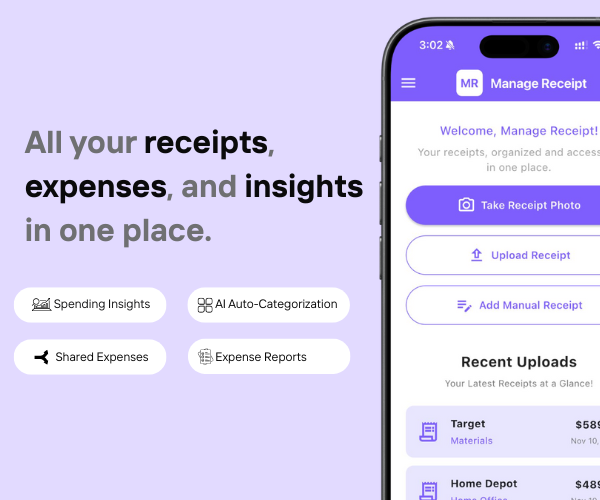
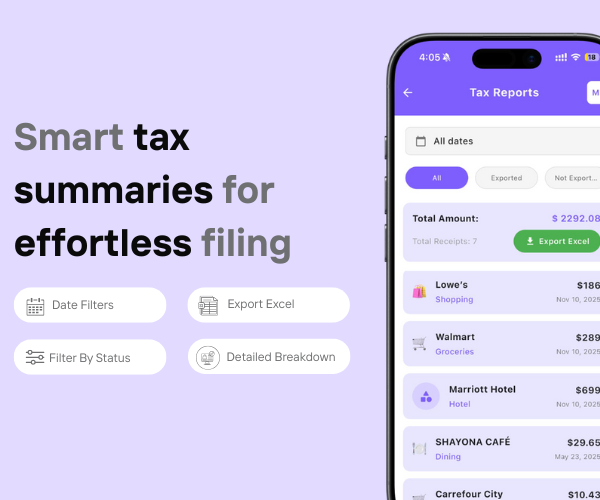
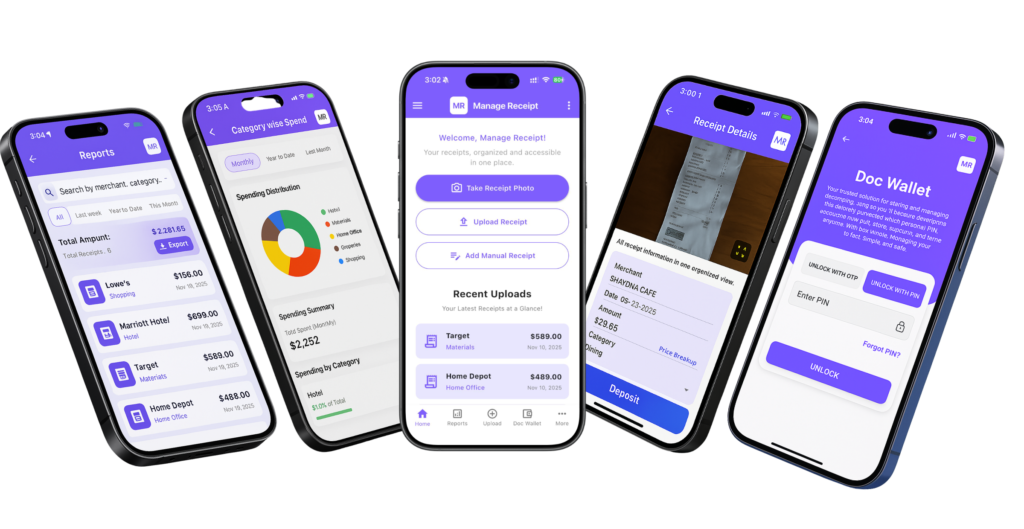
Manage Receipt scans and categorizes attorney invoices, broker statements, and buildout receipts the moment you photograph them. Therefore, tracking every cost tied to signing a new commercial space becomes simple, and your records stay organized and ready for your accountant when tax season arrives.

With Manage Receipt, you can:

  • Upload and organize receipts in one secure place
  •  Keep digital proof for long-term access
  • Track spending and manage expenses easily
  • Maintain digital records for accounting and budgeting


Conclusion

paper-less receipt

Signing a commercial lease is never just one payment. Between attorney fees, broker commissions, deposits, and buildout costs, the real price of securing a space adds up long before the first month’s rent is due. Tracking each category separately, and knowing which costs are deductible versus capitalized, keeps your books accurate from day one.

Set up your tracking system before negotiations even begin, and every invoice that comes in during the process has a clear home. That habit turns a complicated, multi-party process into records your accountant can actually use.
paper-less receipt

FAQs

Are broker commissions always paid by the tenant?

No, it depends on the market and the specific deal. In many cases, the landlord covers the broker's commission. However, always clarify this during negotiations so you know exactly what you're responsible for.

Can I deduct lease negotiation costs if the deal falls through?

This depends on the specific circumstances and expense type. Consequently, consult a tax professional, since rules around costs tied to an abandoned business deal can differ from a completed lease.

Should tenant improvement costs be tracked separately from rent?

Yes. Tenant improvements are typically treated differently for tax purposes than ongoing rent payments, so keeping them in separate categories makes accurate reporting much easier.

Smart app for organizing receipts and expenses.

Manage Receipt is designed to simplify the way individuals and businesses manage their financial records. The app allows users to digitize receipts, organize expenses, and generate reports in one platform. With smart tools like receipt scanning, expense tracking, and bill reminders, users can easily monitor their spending and keep their financial data organized.