


A business expense spreadsheet is often the first tool businesses use to track spending. It’s simple, familiar, and easy to set up. For many small businesses, spreadsheets feel like a practical starting point for managing expenses.
But while spreadsheets can help track numbers, they don’t always provide the clarity businesses expect — especially as transactions increase.
This guide explains how a business expense spreadsheet works, when it’s useful, and where businesses usually face challenges.

A business expense spreadsheet is a document used to record and track business spending. It typically includes columns such as:
Date of expense
Description
Category
Amount
Payment method
Notes
Businesses use it to get a basic overview of where money is being spent.

Spreadsheets remain popular because they are:
Easy to create
Flexible and customizable
Familiar to most users
Low-cost or free
For businesses with low transaction volume, a spreadsheet can provide basic expense visibility.

As businesses grow, spreadsheets often start to feel limiting.
Common issues include:
Manual data entry taking too much time
Errors caused by missed or incorrect entries
Receipts stored separately from the spreadsheet
Difficulty verifying numbers later
Confusion during reviews or tax preparation
The spreadsheet shows numbers — but not always the proof behind them.
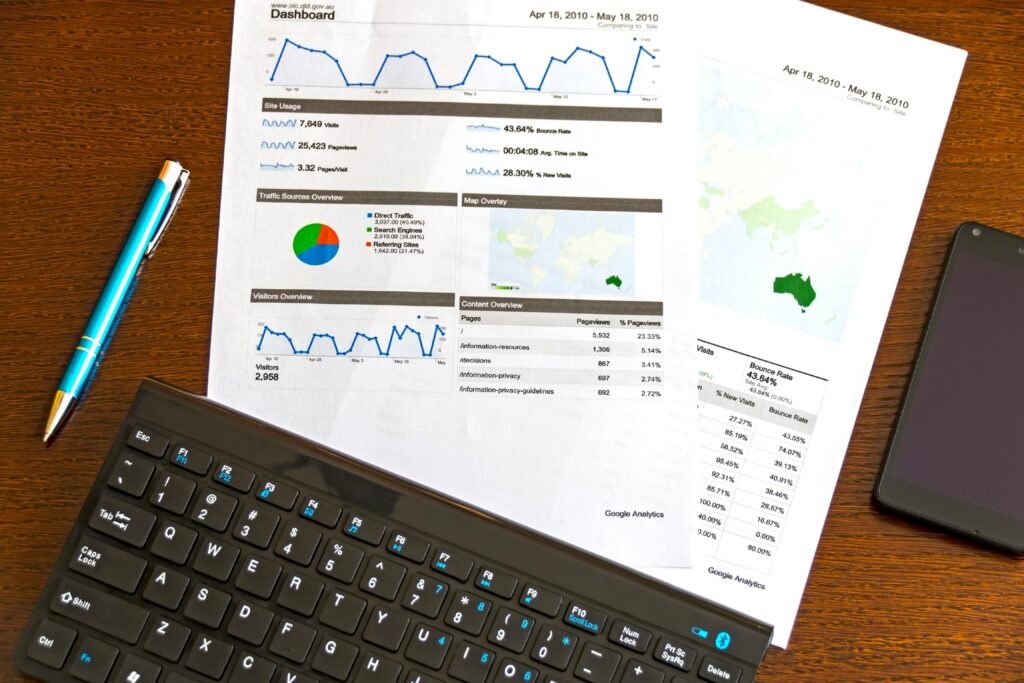
A business expense spreadsheet only works well when every entry is supported by records.
Without receipts:
Expenses can’t be verified
Legitimate deductions may be missed
Reviews become stressful
Audits become risky
This gap between numbers and proof is where most businesses struggle.

A business expense spreadsheet starts to break down when:
Expense volume increases
Multiple people handle expenses
Receipts are frequently misplaced
Real-time visibility is needed
At this stage, businesses usually need systems that reduce manual effort and centralize records.
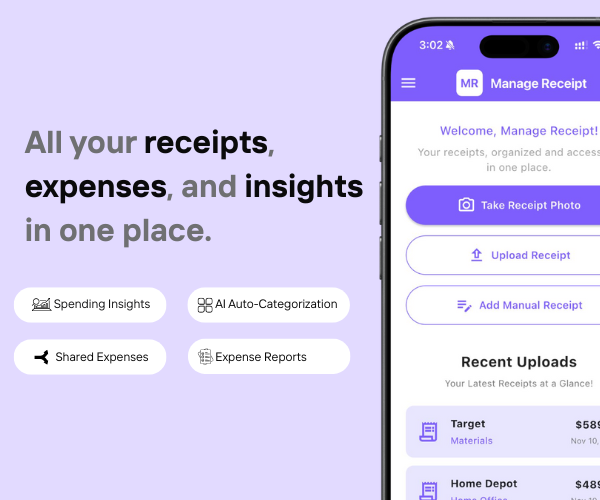
Instead of replacing spreadsheets immediately, many businesses improve accuracy by pairing them with proper record-keeping.
Manage Receipt helps businesses support their business expense spreadsheet with organized proof.
With Manage Receipt, you can:
Scan & Capture receipts instantly
Store all expense proof in one secure place
Find receipts easily when updating your spreadsheet
Match spreadsheet entries with actual documents
Stay prepared for reviews and taxes
This combination turns a basic spreadsheet into a reliable expense-tracking system.
Click Here to know more about how Manage Receipt helps Small Businesses

A business expense spreadsheet is a useful first step toward understanding spending, but it has clear limitations. Without organized proof, spreadsheets can quickly become unreliable and stressful to maintain.
By pairing spreadsheets with tools like Manage Receipt, businesses gain the accuracy and confidence they need to track expenses properly. When numbers and proof work together, expense tracking becomes clear, reliable, and scalable.

From smartphones to air conditioners, big purchases come with big responsibilities. With Manage Receipt, you can stop worrying about lost receipt. Whether you’re requesting a refund or sending a product for repair, your receipts are always there when you need them.


© 2025 Manage Receipt. All Rights Reserved.
