



Running a gym or fitness studio means juggling equipment costs, instructor pay, class software, and constant maintenance, often all in the same week. However, most studio owners skip proper fitness studio expense tracking and only log the obvious costs like rent and payroll, missing smaller deductions that add up significantly over a year.
Margins in fitness are often tighter than they look. Between equipment, space, and staffing costs, a studio’s profit margin can be thin. Therefore, consistent fitness studio expense tracking directly affects what you actually keep.
Expenses come from many different categories at once. A single month might include equipment repair, a new software subscription, and a marketing push, all needing separate tracking and documentation.

Equipment purchases are usually deductible, often through depreciation. Treadmills, weights, and studio equipment represent a major investment, and the cost is typically deducted over time rather than all at once.
Repairs and maintenance are ongoing deductible costs. Routine equipment servicing, HVAC repairs, and flooring maintenance all count as standard business expenses.
Rent, utilities, and facility insurance form your core overhead. Good fitness studio expense tracking keeps these recurring costs separate from smaller, more variable expenses.

Instructor pay varies by employment type. Whether you pay instructors as employees or independent contractors changes how you track and report their compensation. Therefore, keep W-2 and 1099 payments clearly separated.
Certifications and training costs can be deductible. If you cover continuing education or certification renewals for staff, these are generally deductible as employee development expenses.
Staff uniforms and branded gear often qualify. Branded shirts or gear required for instructors to wear on the floor typically count as a deductible business expense.

Class scheduling and booking software is a core cost. Most studios rely on a platform to manage class sign-ups, waitlists, and member check-ins, and the subscription fee is fully deductible.
Payment processing fees add up over time. Card processing fees on membership payments are a legitimate deductible cost, even though they’re often overlooked since they’re deducted automatically.
Marketing and social media tools count too. Scheduling apps, email marketing platforms, and paid social ads used to promote classes or memberships are deductible business expenses.

Cleaning supplies and sanitation costs are deductible. Disinfectant, towels, and regular cleaning service costs are standard operating expenses for any fitness facility.
Retail inventory needs separate tracking. If you sell water bottles, apparel, or supplements, track this inventory separately from your operating expenses, since it’s tied to sales, not overhead.
Small consumables are easy to forget but still count. Yoga mats, resistance bands, and other items that wear out and get replaced regularly should be tracked, even though individual purchases seem minor.
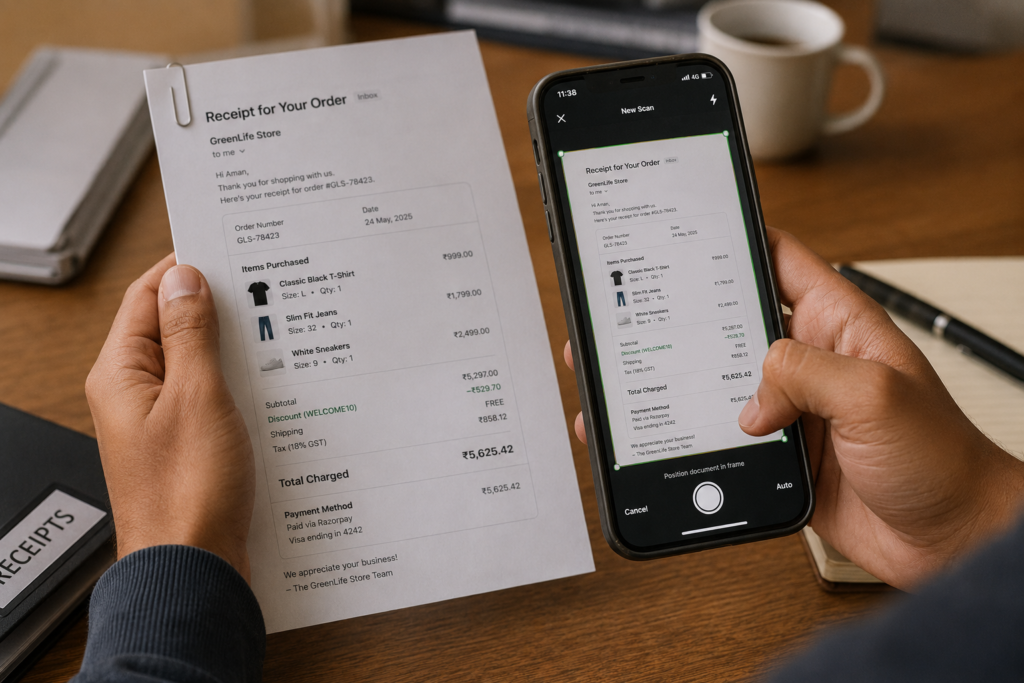
Manage Receipt scans and categorizes equipment invoices, supply receipts, and software subscriptions the moment you photograph them. Therefore, running a gym or fitness studio becomes easier to manage financially, with every expense organized and ready for tax season without the year-end scramble.
With Manage Receipt, you can:

Running a gym or fitness studio comes with more moving costs than most owners realize until they sit down and actually track them. Equipment, staff, software, and supplies all pull from different corners of the business, and fitness studio expense tracking is what ties them together into a clear financial picture.
Start small: photograph receipts the day you get them, log cash purchases weekly, and review your software subscriptions every quarter. That consistency is what turns tax season from a scramble into a quick export, and it’s what helps you actually see where your margins are thin and where they’re holding steady.
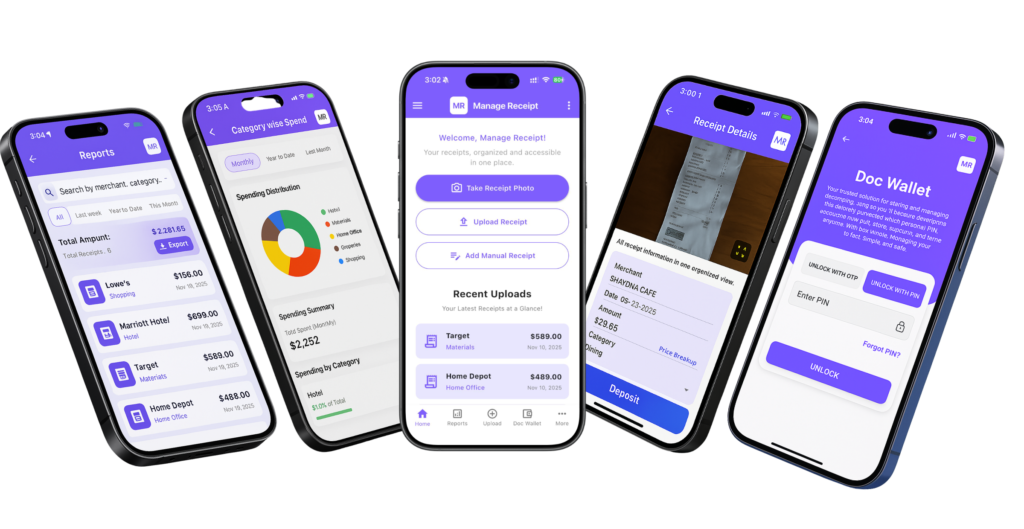
Manage Receipt is designed to simplify the way individuals and businesses manage their financial records. The app allows users to digitize receipts, organize expenses, and generate reports in one platform. With smart tools like receipt scanning, expense tracking, and bill reminders, users can easily monitor their spending and keep their financial data organized.


© 2025 Manage Receipt. All Rights Reserved.
