

Halloween Retail Expenses: Costumes, Decor, and Seasonal Inventory

Halloween Retail Expenses: Costumes, Decor, and Seasonal Inventory

Why Halloween Retail Expenses Are Different From Everyday Costs

Spending is compressed into a short window. Unlike year-round inventory, Halloween purchasing often happens in a concentrated burst over just a few weeks, making it easy to lose track of individual costs.

Inventory carries real markdown risk. Unsold costumes and decor typically can’t be sold at full price after the season ends, so tracking cost basis accurately matters for calculating your actual margin.

Expenses span multiple categories at once. Between inventory, store decor, marketing, and possibly seasonal staff, Halloween season touches nearly every part of your expense tracking system simultaneously.

Costume and Seasonal Inventory Costs

Costume and Seasonal Inventory Costs

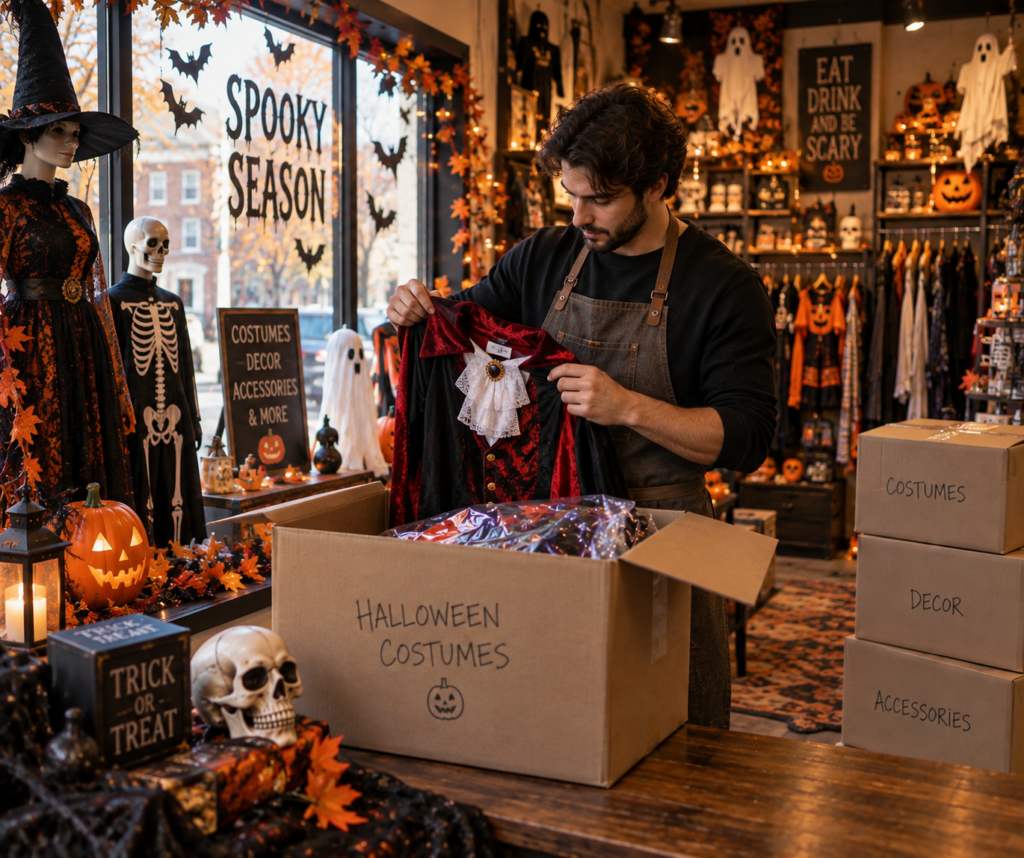
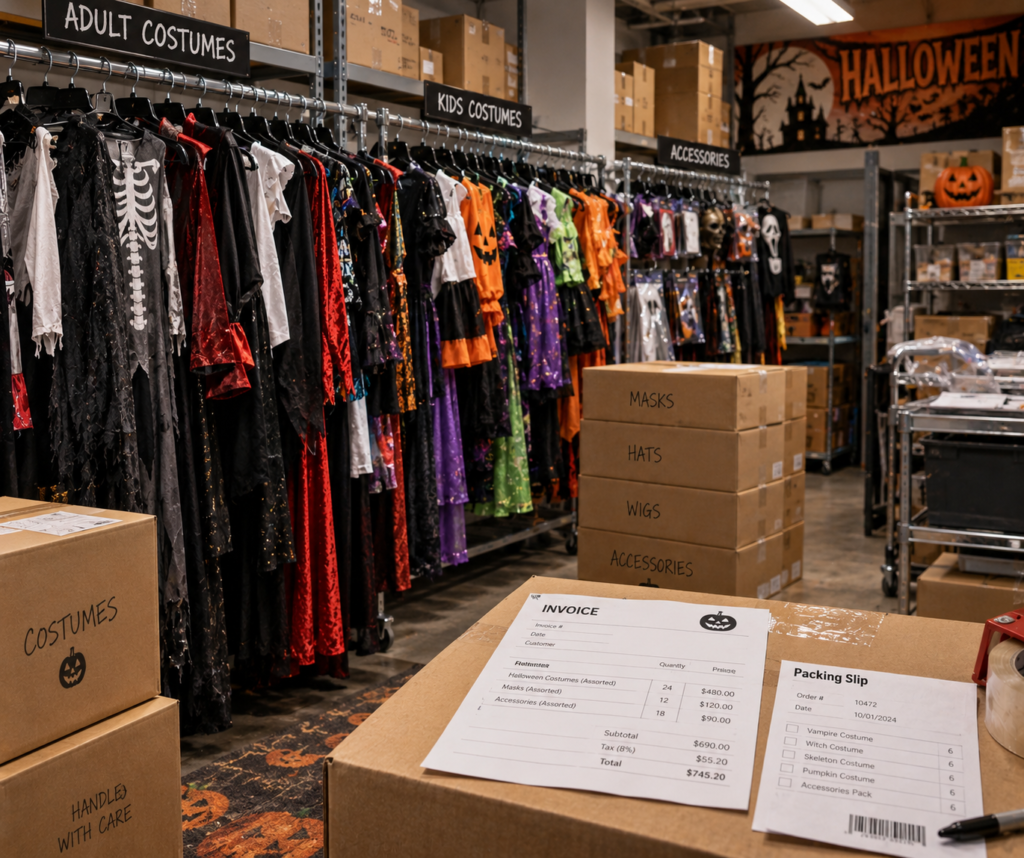
Wholesale costume purchases are your largest inventory cost. Track the per-unit cost, quantity ordered, and total invoice amount for every costume order, since this directly affects your margin calculations.

Accessories and add-on items need separate tracking. Wigs, masks, and makeup often get ordered from different suppliers than costumes themselves, so keep these invoices distinct for clearer category reporting.

Shipping and freight costs on inventory orders count too. Bulk seasonal orders often carry significant shipping charges, and these costs should be added to your overall inventory cost rather than treated separately.

Store Decor and Display Costs

In-store decorations are a deductible marketing expense. Spooky window displays, seasonal signage, and store decor designed to draw in shoppers count as ordinary business expenses.

Reusable decor should be tracked as an asset, not a yearly expense. If you’re purchasing decorations meant to last multiple seasons, this may be treated differently than a one-time consumable purchase.

Props and displays used for photos or marketing count as well. If a display doubles as a social media photo backdrop or promotional feature, the cost still qualifies as a legitimate marketing expense.

Marketing and Promotional Spend

Marketing and Promotional Spend

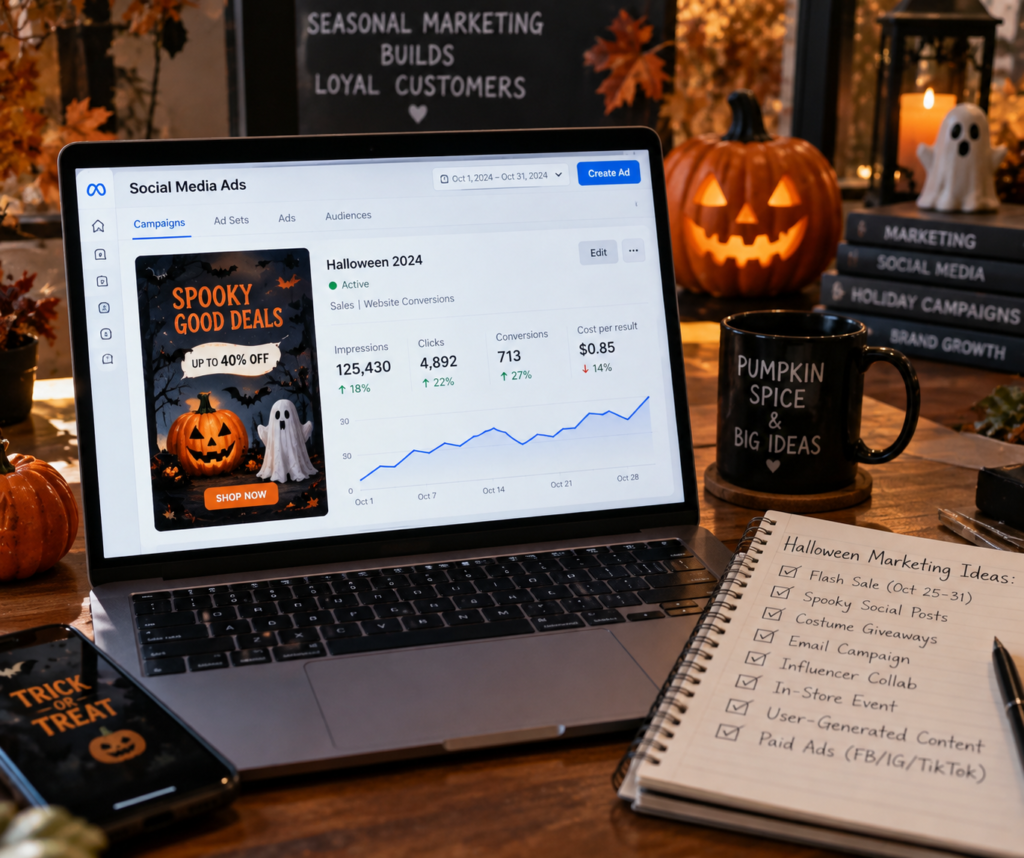
Seasonal ad campaigns are often the biggest marketing cost. Paid social and search ads promoting your Halloween inventory should be tracked separately from your regular, year-round marketing spend.

Print materials and in-store signage add up quickly. Flyers, posters, and seasonal packaging inserts are small individually but should still be logged as they’re purchased.

Influencer or local partnership costs count as marketing too. Payments to local influencers or cross-promotions with other seasonal businesses are deductible expenses tied directly to Halloween sales.

Handling Leftover Inventory After Halloween

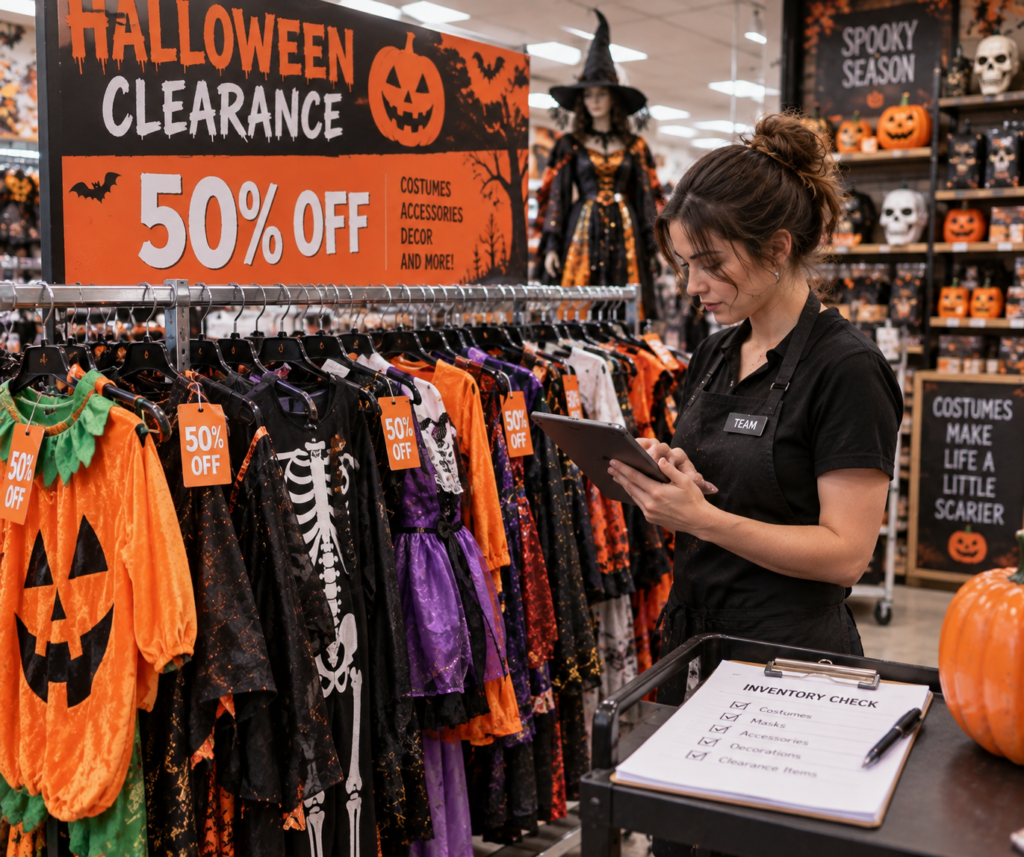
Markdown pricing needs to be tracked against original cost. When unsold costumes go on clearance, track the discounted sale price against your original per-unit cost to understand your true margin on leftover stock.

Unsold inventory may need to be written down for accounting purposes. If items won’t sell at any reasonable price, consult your accountant about writing down the value of that inventory.

Storage costs for held-over inventory should be tracked too. If you’re storing leftover decor or costumes for next year rather than liquidating them, any storage costs tied to that decision are worth logging.

Let Manage Receipt Handle the Trip for You

Let Manage Receipt Handle the Trip for You

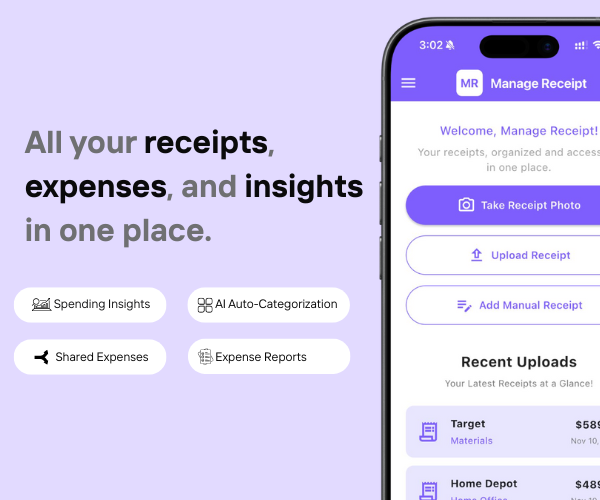
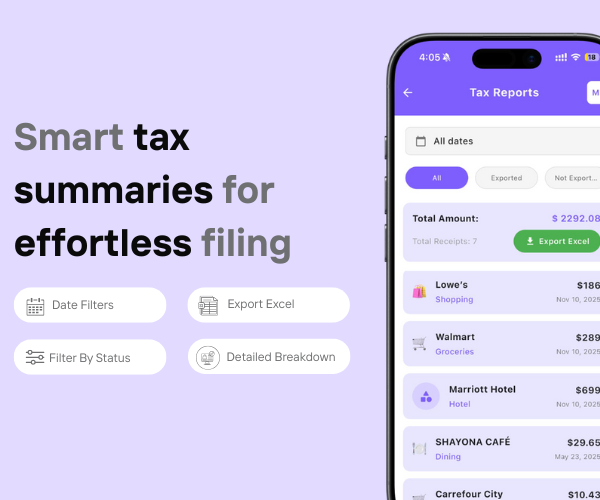
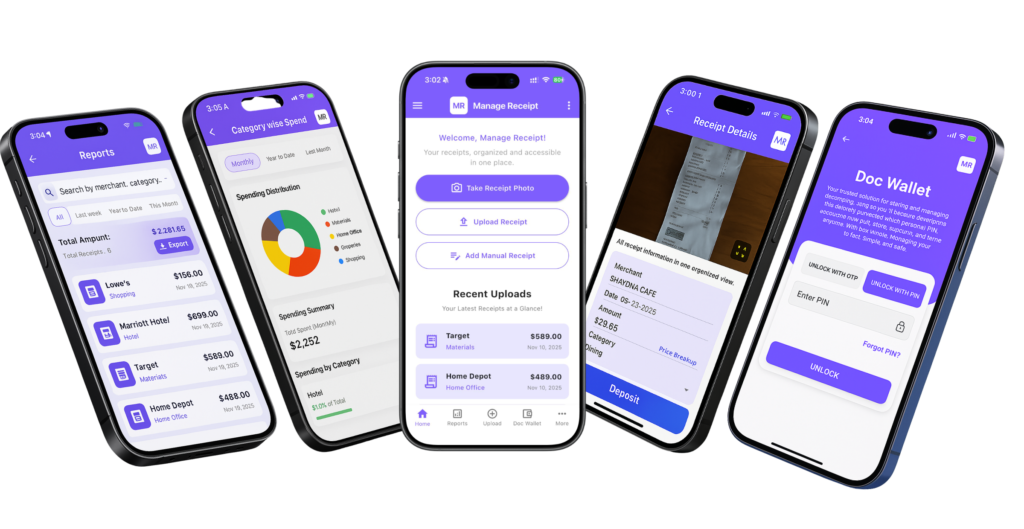
Manage Receipt scans and categorizes every Halloween-related receipt the moment you photograph it, from wholesale costume invoices to seasonal ad spend. Therefore, you can focus on running the season instead of chasing paper afterward, and your records stay organized and ready for a clean post-season review.

With Manage Receipt, you can:

  • Upload and organize receipts in one secure place
  •  Keep digital proof for long-term access
  • Track spending and manage expenses easily
  • Maintain digital records for accounting and budgeting


Conclusion

paper-less receipt

Halloween season moves fast, and so does the spending behind it. Costumes, decor, and marketing all pile up in the span of a few weeks, and the businesses that come out ahead are the ones tracking each category separately instead of lumping it all into one seasonal bucket.

Set up your Halloween category before the first invoice arrives, photograph receipts as they come in, and give yourself two weeks after the season ends to review the full picture. That habit turns a chaotic few weeks of selling into clean numbers you can actually learn from before next year’s costumes hit the shelves.
paper-less receipt

FAQs

Should I track Halloween expenses separately from my regular retail expenses?

Yes, ideally. Keeping seasonal expenses in their own category makes it much easier to evaluate whether the season was profitable once it wraps up.

What should I do with leftover costume inventory?

Options include marking it down for clearance, storing it for next year, or donating unsold stock. However, track whichever path you choose, since each has different implications for your records.

Are Halloween decorations for my storefront tax deductible?

Generally, yes, if they're used for marketing or drawing customers into your store. Nevertheless, reusable decor meant to last several seasons may need to be tracked differently than a one-time consumable purchase.

Smart app for organizing receipts and expenses.

Manage Receipt is designed to simplify the way individuals and businesses manage their financial records. The app allows users to digitize receipts, organize expenses, and generate reports in one platform. With smart tools like receipt scanning, expense tracking, and bill reminders, users can easily monitor their spending and keep their financial data organized.