


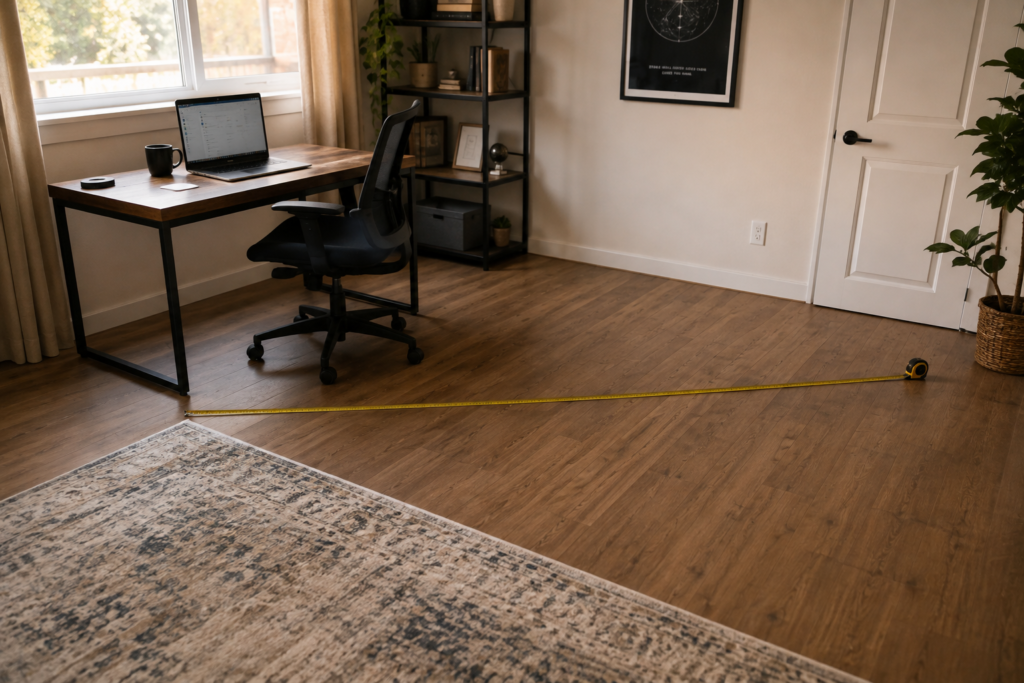
Regular and exclusive use is the core requirement. The space must be used only for business, on a consistent basis. Therefore, a kitchen table used for both dinner and invoicing does not qualify.
It must be your principal place of business. This applies if you run your business primarily from home, or if you regularly meet clients there. Moreover, a separate structure like a converted garage or studio can qualify too.
Self-employed and freelance workers benefit the most. W-2 employees generally cannot claim this deduction under current federal rules. However, self-employed individuals, freelancers, and small business owners remain eligible.
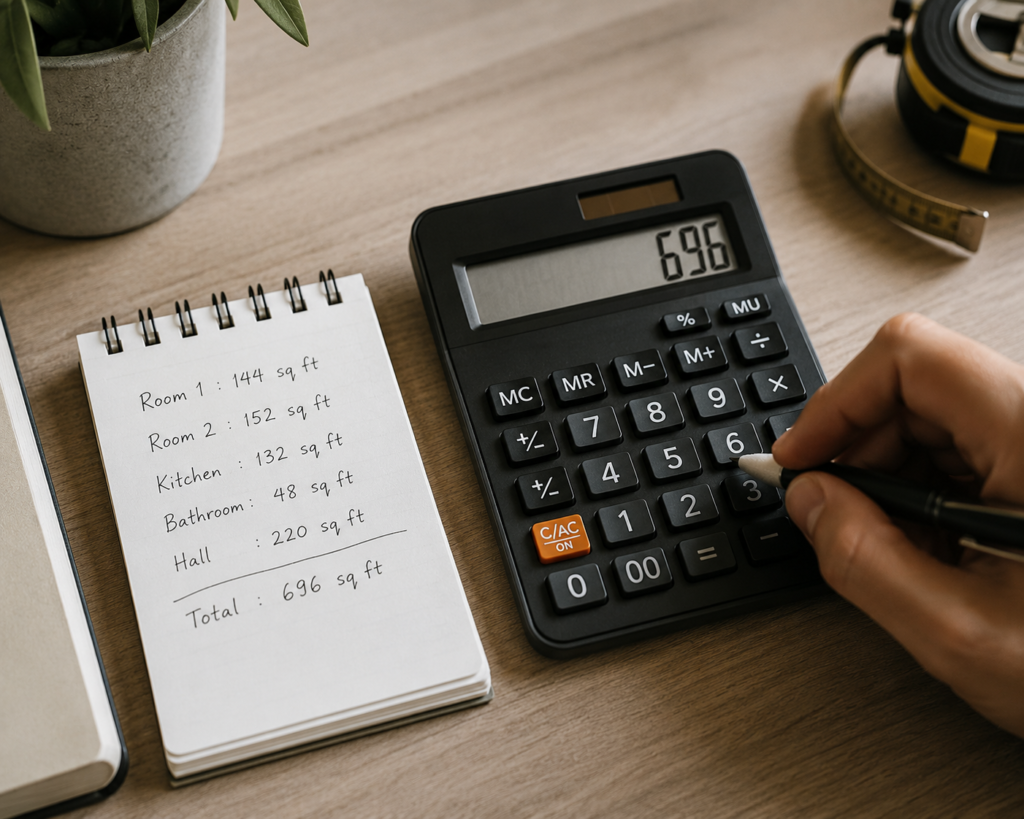
The simplified method trades accuracy for speed. Instead of tracking every home expense, you multiply your office square footage by a flat IRS rate. Therefore, this method takes minutes instead of hours.
The rate is set per square foot, up to a cap. Multiply your home office square footage by the standard rate, up to a maximum of 300 square feet. Consequently, the maximum possible deduction under this method is capped regardless of your actual costs.
No receipts are required for this method. You skip utility bills, mortgage interest, and repair records entirely. However, you still need to document the square footage and business-use percentage of the space.
Example: A 150 square foot home office multiplied by the flat rate gives you a straightforward deduction estimate in under a minute, no receipts needed.
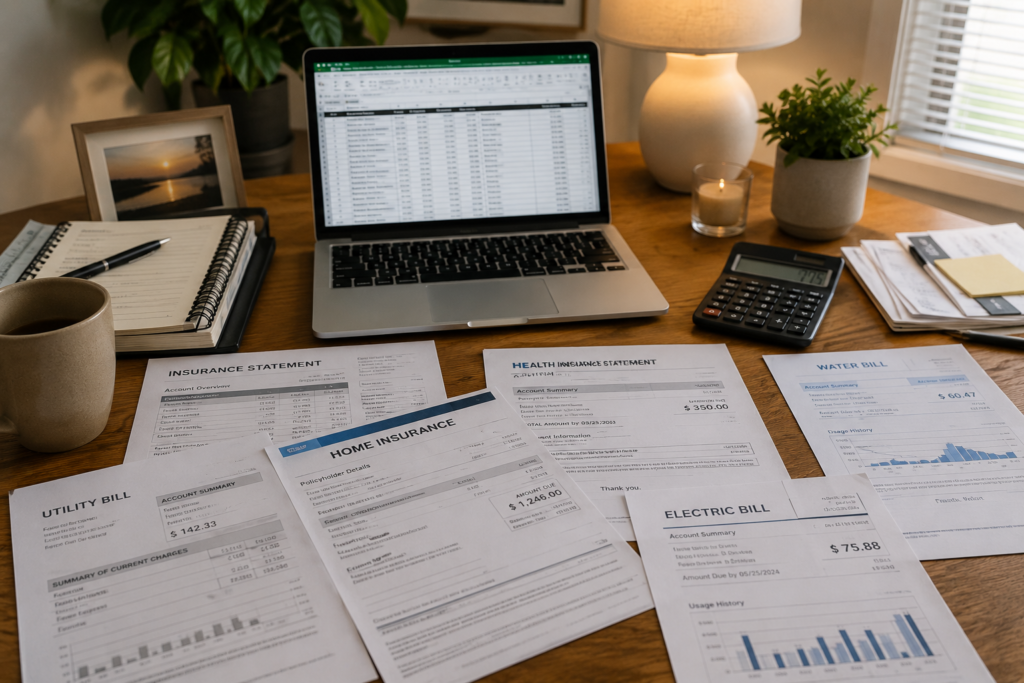
The actual expense method usually produces a bigger deduction. Rather than a flat rate, you calculate the real percentage of your home used for business and apply it to your actual costs.
Start by calculating your business-use percentage. Divide your office square footage by your home’s total square footage. This percentage applies to every eligible home expense.
Then apply that percentage to eligible costs. This includes rent or mortgage interest, utilities, homeowners or renters insurance, repairs, and depreciation. Furthermore, some costs, like painting only the office, can be deducted at 100 percent, since they apply exclusively to the business space.
This method requires real documentation. Save every utility bill, insurance statement, and repair receipt throughout the year. Consequently, this method takes more effort but often results in significantly higher savings.

Larger offices tend to favor the actual expense method. Because the simplified method caps out at 300 square feet, homeowners with larger dedicated spaces or high housing costs typically save more by tracking actual expenses.
Smaller offices or renters often do fine with simplified. If your space is modest and your expenses are hard to track, the simplified method still delivers a solid deduction with far less paperwork.
(Include the comparison table from the doc here: Home Office Size / Simplified Method / Actual Expense Method)

Claiming a space that isn’t exclusively business is a common issue. A guest room that doubles as an office on weekends does not meet the exclusive-use test. Therefore, this is one of the most common reasons a deduction gets challenged.
Forgetting to track utility and repair costs causes problems later. Under the actual expense method, missing documentation means missing deductions. Consequently, save every bill as it arrives instead of hunting for it in April.
Switching methods without reviewing the numbers first can cost you. Not every year favors the same method. Therefore, recalculate both methods annually before filing.
Ignoring depreciation under the actual expense method leaves money unclaimed. Depreciation on the business-use portion of your home is often overlooked. However, it can meaningfully increase your deduction over time.

Manage Receipt scans and categorizes utility bills, repair receipts, and insurance statements the moment you photograph them. Therefore, calculating your actual home office deduction at tax time takes minutes instead of a weekend of digging through folders. Additionally, every expense stays organized and ready to hand to your accountant.
With Manage Receipt, you can:

The home office deduction rewards people who put in a little effort to track their numbers correctly. Whether you go with the simplified method for speed or the actual expense method for a bigger deduction, the key is picking the option that fits your space and being consistent about documentation.
Run both calculations before you file. A few extra minutes comparing the two methods can mean a meaningfully larger deduction, especially if your home office is on the bigger side or your housing costs are high. Either way, the habit of saving bills and receipts as they come in will save you time and stress when tax season arrives.
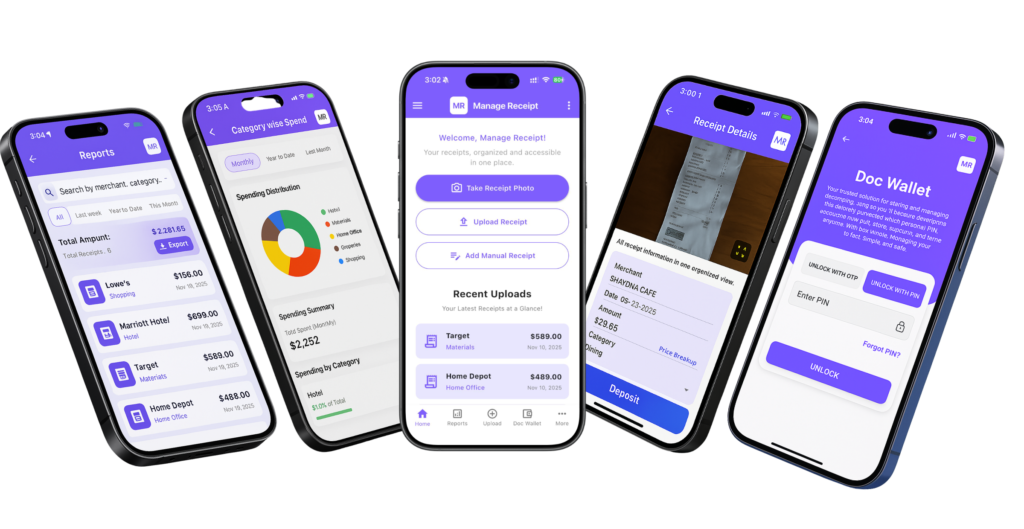
Manage Receipt is designed to simplify the way individuals and businesses manage their financial records. The app allows users to digitize receipts, organize expenses, and generate reports in one platform. With smart tools like receipt scanning, expense tracking, and bill reminders, users can easily monitor their spending and keep their financial data organized.


© 2025 Manage Receipt. All Rights Reserved.
