


Cash flow problems are one of the biggest reasons small businesses struggle or fail. While many owners focus on sales and revenue, poor expense tracking is often the silent issue damaging cash flow behind the scenes.
When expenses aren’t tracked properly, money leaks go unnoticed, planning becomes guesswork, and financial decisions are made without clarity. Over time, this creates stress, missed opportunities, and avoidable losses.
In this article, we’ll break down how poor expense tracking hurts small business cash flow, the common mistakes business owners make, and how to fix them.

Expense tracking is the process of recording, categorizing, and reviewing all business-related spending—such as rent, utilities, travel, software, supplies, and reimbursements.
For small businesses, expense tracking is critical because it helps you:
Understand where your money is going
Control unnecessary spending
Maintain healthy cash flow
Prepare for taxes and audits
Make informed business decisions
Without it, cash flow becomes unpredictable.

One of the biggest problems with poor expense tracking is lack of visibility.
When receipts are lost or expenses aren’t recorded:
Small purchases add up unnoticed
Subscriptions continue without review
Duplicate or unnecessary expenses slip through
This makes it impossible to see which costs are essential and which can be reduced—directly hurting cash flow.

Small businesses rely on cash flow forecasts to plan:
Payroll
Inventory purchases
Marketing spend
Tax payments
Poor expense tracking leads to incomplete or inaccurate data, which means forecasts are based on assumptions instead of facts. This often results in:
Running short on cash unexpectedly
Delaying payments
Taking emergency loans
Accurate expense records are the foundation of reliable cash flow planning.
Untracked or undocumented expenses often can’t be claimed during tax season.
This means:
Higher taxable income
Higher tax payments
Less cash retained in the business
Over a year, missed deductions can cost small businesses thousands of dollars—money that could have been reinvested or saved.
You can use our estimated tax calculator and never miss tax deductions.

For businesses that reimburse employees or contractors, poor expense tracking creates delays and disputes.
Common issues include:
Missing receipts
Incorrect amounts
Unclear expense categories
This leads to:
Employee dissatisfaction
Administrative backlogs
Cash flow disruptions
Clear, organized expense records keep reimbursements smooth and predictable.
Check out our Expense Reports Feature for hassle-free reimbursements
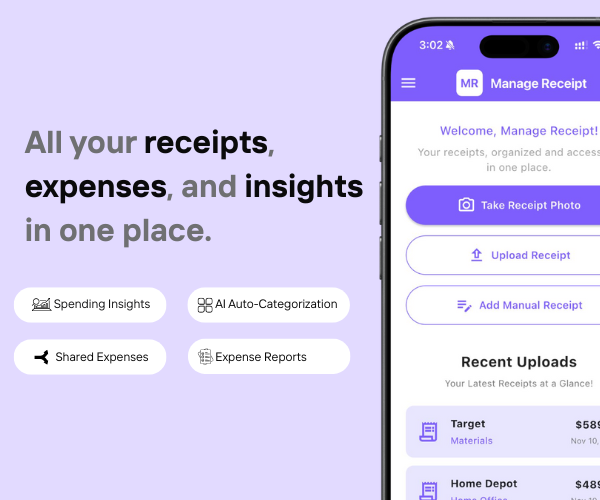
Poor expense tracking is usually a systems problem—not a discipline problem.
Tools like Manage Receipt help small businesses:
Capture and store receipts digitally
Keep expenses organized automatically
Track spending in real time
Stay ready for tax season year-round
By reducing manual work and missed records, Manage Receipt helps business owners maintain better visibility over expenses—leading to healthier cash flow and fewer surprises.

Poor expense tracking doesn’t cause immediate damage—but over time, it quietly weakens small business cash flow.
By keeping expenses organized, reviewing spending regularly, and using the right tools, small businesses can protect their cash flow, reduce stress, and make smarter financial decisions.
Healthy cash flow starts with knowing exactly where your money goes.

From smartphones to air conditioners, big purchases come with big responsibilities. With Manage Receipt, you can stop worrying about lost receipt. Whether you’re requesting a refund or sending a product for repair, your receipts are always there when you need them.


© 2025 Manage Receipt. All Rights Reserved.
