


Shopify Seller Expenses: What to Track Beyond the Subscription Fee

Why Shopify Sellers Underestimate Their Expenses

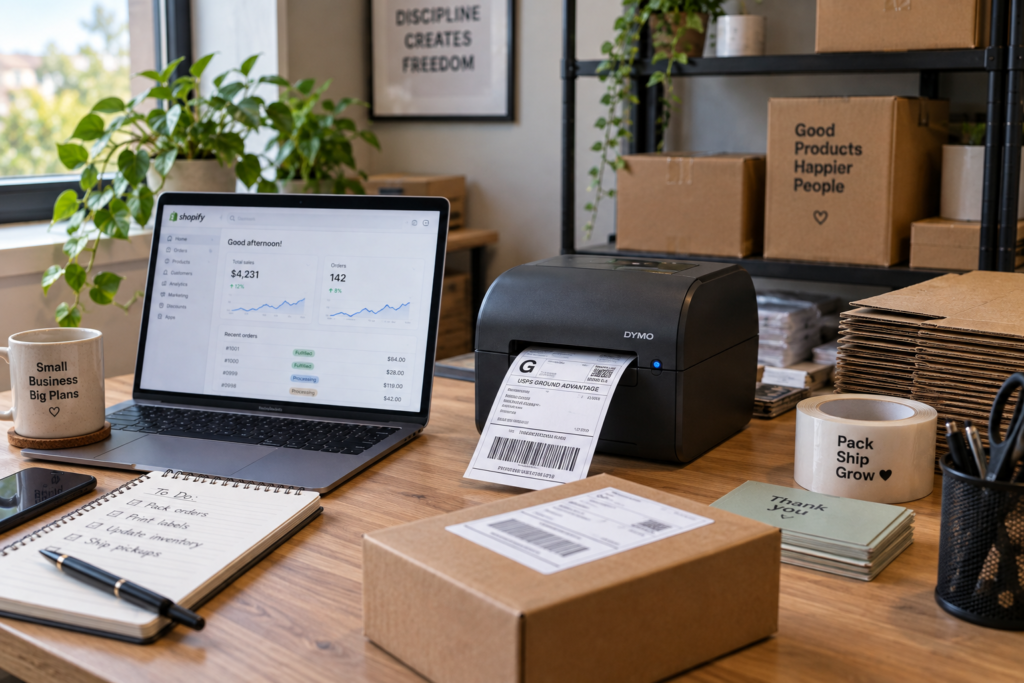
Shopify store owner reviewing sales and expense dashboards on a laptop, surrounded by packaging boxes and a shipping label printer in a small home warehouse workspace.

Costs are spread across many small, recurring charges. A handful of $10-30 app subscriptions rarely feels significant individually, but together they represent a real, ongoing business cost.

Some fees are automatically deducted, so they’re easy to overlook. Transaction fees and payment processing costs come straight out of your payout, meaning many sellers never see them as a separate line item to track.

Expenses come from multiple platforms, not just Shopify itself. Between your Shopify bill, ad platforms, shipping carriers, and app subscriptions, expenses are scattered across several different dashboards and invoices.

Shopify store owner reviewing sales and expense dashboards on a laptop, surrounded by packaging boxes and a shipping label printer in a small home warehouse workspace.

Platform and Transaction Fees

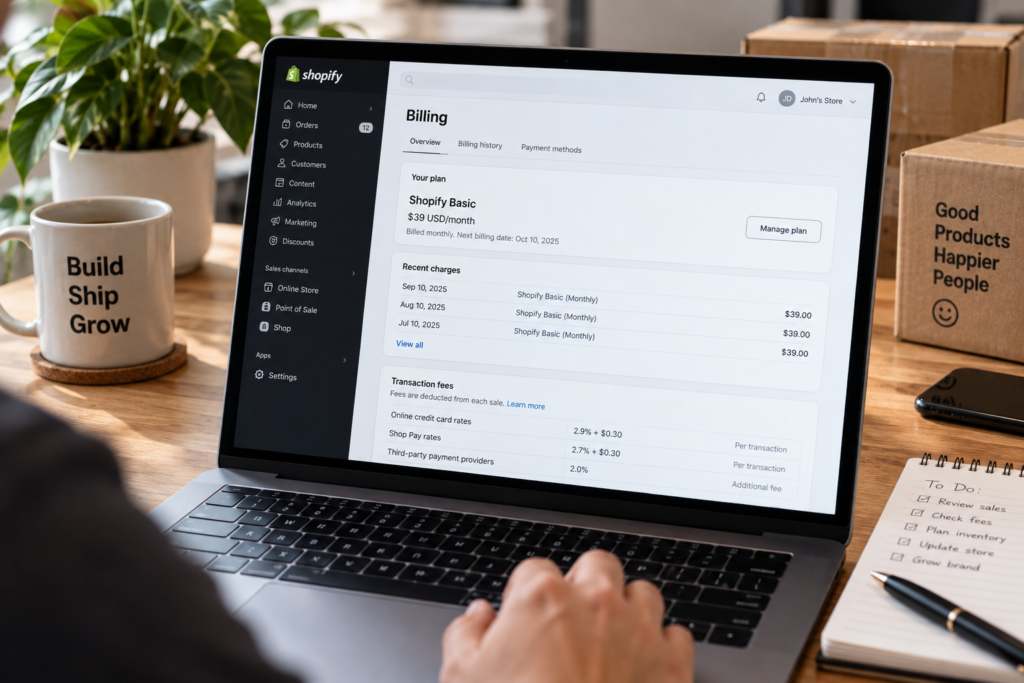
Close-up of a laptop displaying a Shopify billing dashboard with monthly plan charges and transaction fee details, set on a desk with packaging supplies and business accessories.

Platform and Transaction Fees

Your monthly subscription plan is just the starting point. Whether you’re on a basic or advanced plan, this recurring fee is fully deductible, but it’s only one piece of your total platform cost.

Payment processing fees apply to every sale. A percentage plus a flat fee is typically deducted from each transaction, and these processing costs add up significantly as sales volume grows.

Third-party payment gateway fees may apply separately. If you use a payment provider outside Shopify’s own system, additional fees may apply on top of standard transaction costs.

Apps and Software Subscriptions

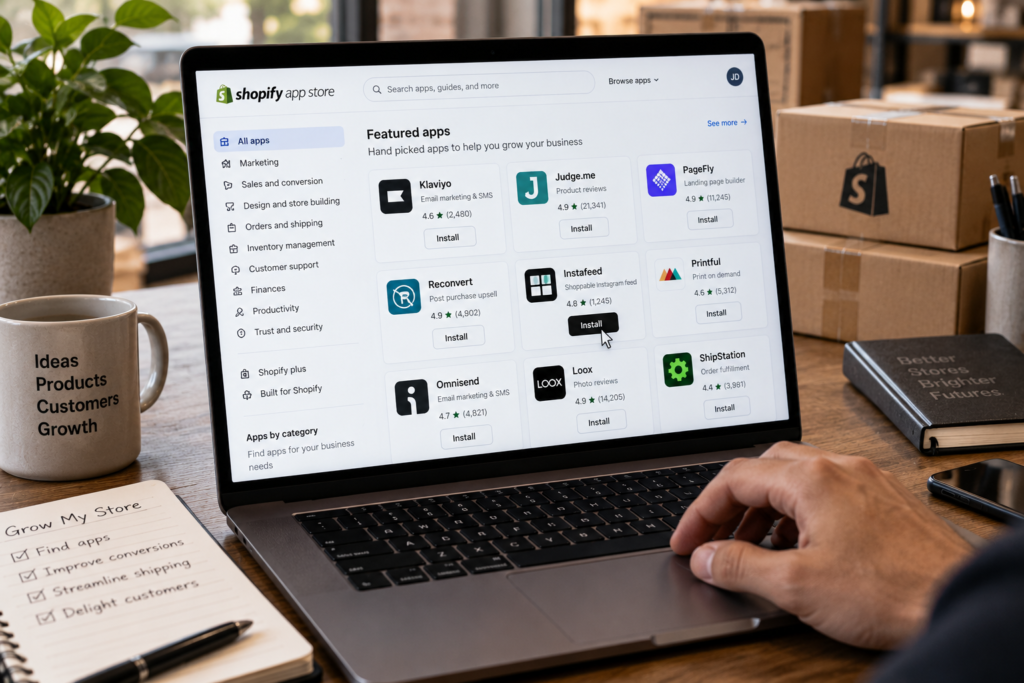
Review and marketing apps are common recurring costs. Product review widgets, email marketing tools, and upsell apps are typical monthly subscriptions that add up across a full store setup.

Inventory and fulfillment apps often carry their own fees. Software connecting your store to suppliers or fulfillment centers frequently charges monthly fees on top of any per-order costs.

Theme and design purchases are deductible too. A premium Shopify theme or custom design work is a legitimate business expense, even though it’s typically a one-time cost rather than recurring.

Shipping and Fulfillment Costs

Shipping and Fulfillment Costs

Shipping labels are a major ongoing expense. Whether purchased through Shopify Shipping or a separate carrier account, label costs should be tracked closely since they scale directly with order volume.

Packaging materials count as a deductible supply cost. Boxes, mailers, tape, and branded packaging inserts are all legitimate business expenses tied directly to fulfilling orders.

Return shipping costs need their own category. Covering return labels for customers is a real cost of doing business and should be tracked separately from outbound shipping.

Advertising and Marketing Spend

Laptop displaying a social media advertising dashboard with campaign spend, reach, clicks, purchases, and performance metrics, with a coffee cup beside it in a modern workspace.

Paid social and search ads are often the largest variable cost. Ad spend on platforms used to drive traffic to your store fluctuates significantly and should be tracked by campaign or platform for clearer reporting.

Influencer and affiliate payments count as marketing expenses. Payments made to influencers or affiliates for promoting your products are deductible, but should be documented separately from product costs.

Email and SMS marketing platforms carry their own fees. These tools are often billed based on subscriber count or message volume, and costs can grow substantially as your list grows.

Laptop displaying a social media advertising dashboard with campaign spend, reach, clicks, purchases, and performance metrics, with a coffee cup beside it in a modern workspace.

Let Manage Receipt Track Your Store's Expenses

Let Manage Receipt Track Your Store's Expenses

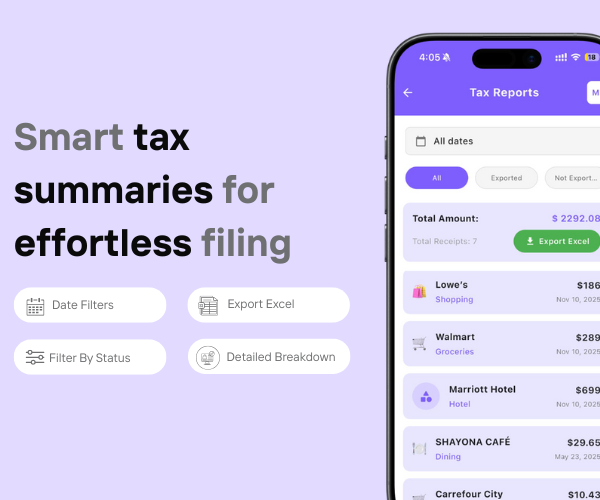
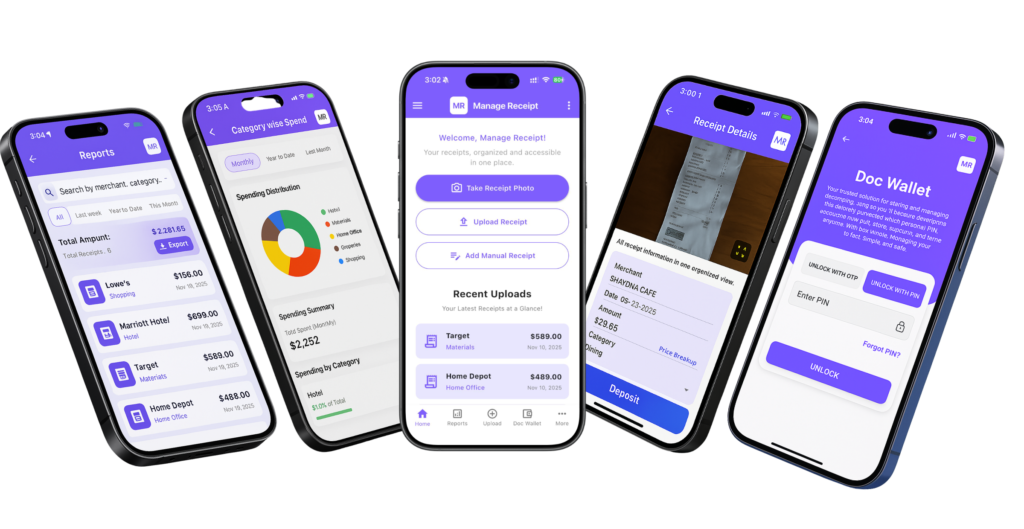
Manage Receipt scans and categorizes packaging invoices, app subscription receipts, and shipping costs the moment you photograph them. Therefore, running a Shopify store becomes easier to manage financially, with every expense organized and ready for tax season instead of scattered across multiple dashboards.

With Manage Receipt, you can:

  • Upload and organize receipts in one secure place
  •  Keep digital proof for long-term access
  • Track spending and manage expenses easily
  • Maintain digital records for accounting and budgeting


Conclusion

paper-less receipt

The monthly subscription fee is the easiest Shopify expense to spot and the smallest piece of the actual cost of running a store. Transaction fees, app subscriptions, shipping, and ad spend all pull from different corners of your business, and they’re just as deductible as the plan fee itself.

Connect a dedicated business account, review your Shopify billing statement monthly, and check your app list quarterly for anything you’re still paying for but no longer using. That habit turns a scattered set of charges across five different dashboards into one clear picture of what it actually costs to run your store.
paper-less receipt

FAQs

Are Shopify transaction fees deductible?

Yes. Payment processing and transaction fees are standard deductible business expenses, even though they're automatically deducted from your payouts rather than billed separately.

Should I track inventory costs the same way as operating expenses?

No. Inventory costs are typically treated differently for tax purposes than operating expenses like software or advertising. Consequently, keep these in separate categories from the start.

How do I know if an app subscription is still worth the cost?

Review your app charges quarterly against actual usage. Therefore, if a tool isn't contributing to sales or efficiency, canceling it saves a recurring cost that's easy to overlook otherwise.

Smart app for organizing receipts and expenses.

Manage Receipt is designed to simplify the way individuals and businesses manage their financial records. The app allows users to digitize receipts, organize expenses, and generate reports in one platform. With smart tools like receipt scanning, expense tracking, and bill reminders, users can easily monitor their spending and keep their financial data organized.