


Managing expenses is one of the most important — and often overlooked — parts of running a small business. Without proper systems, small purchases, forgotten receipts, and manual tracking can quietly drain profits.
Using smart small business expense management tips helps you stay organized, control spending, and make better financial decisions.
Here are practical tips that actually work.

Waiting until the end of the month leads to missing data and errors.
Best practice:
Real-time tracking builds financial clarity.

Mixing finances makes expense tracking harder and tax prep messy.
Use:
This keeps records clean and professional.

Receipts support:
Paper receipts fade and get lost — digital storage is safer.
Set a simple routine:
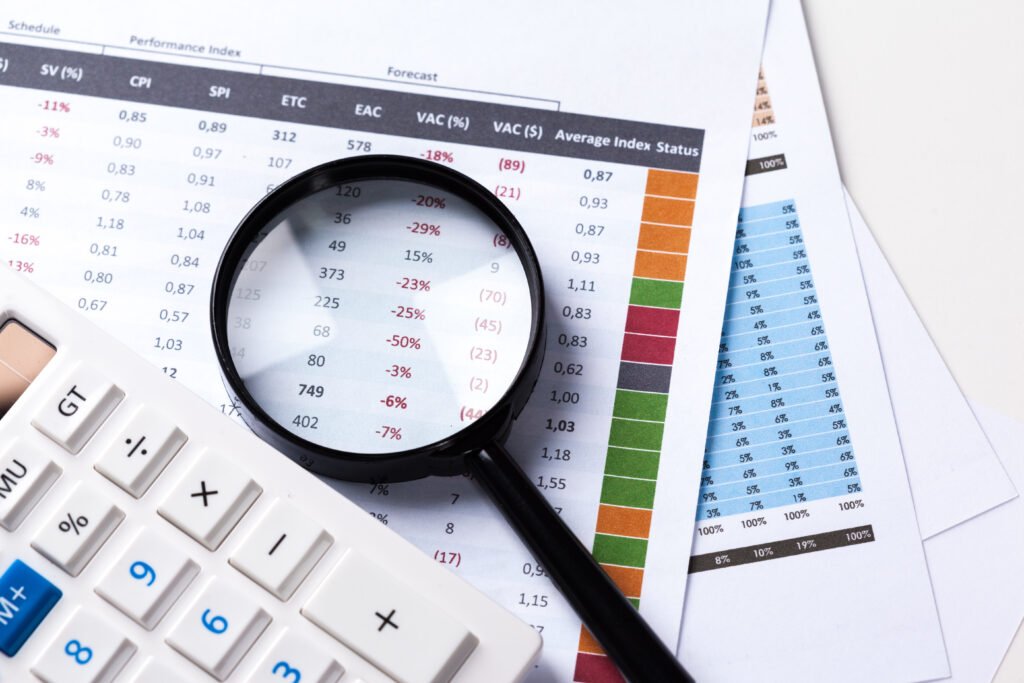
This helps catch overspending early and stay within budget.

Clear categories help with:
Consistent categories improve accuracy.
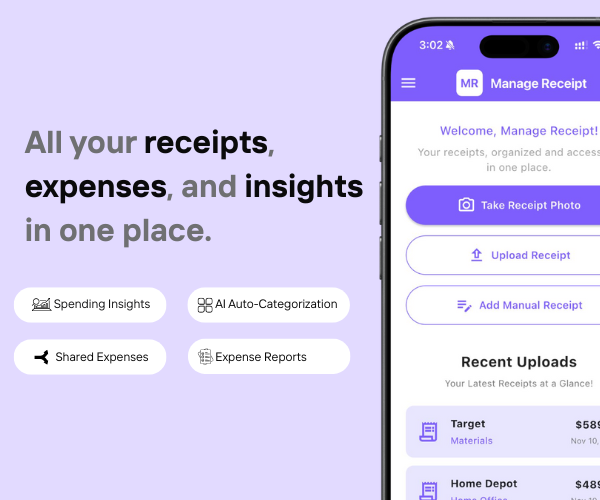
Staying consistent is the hardest part of expense management.
Manage Receipt simplifies the process by:
Keeping proof of expenses organized
Supporting clean bookkeeping and reporting
Making it easier to show consistent business activity
Helping separate personal and business spending clearly
When expenses are visible and organized, cash flow becomes predictable and controllable.
Click Here to know more about how Manage Receipt helps small businesses

Strong expense management isn’t about cutting every cost — it’s about understanding where money goes and staying organized.
By tracking expenses regularly, keeping receipts digitally, reviewing spending, and using tools like Manage Receipt, small businesses can save time, reduce errors, and improve financial health.
Good expense habits today lead to stronger profits tomorrow.

From smartphones to air conditioners, big purchases come with big responsibilities. With Manage Receipt, you can stop worrying about lost receipt. Whether you’re requesting a refund or sending a product for repair, your receipts are always there when you need them.


© 2025 Manage Receipt. All Rights Reserved.
