


Tax management often feels overwhelming for small business owners — but with the right system, staying compliant and saving money becomes surprisingly simple. Here’s a beginner-friendly guide broken into just a few essential steps.
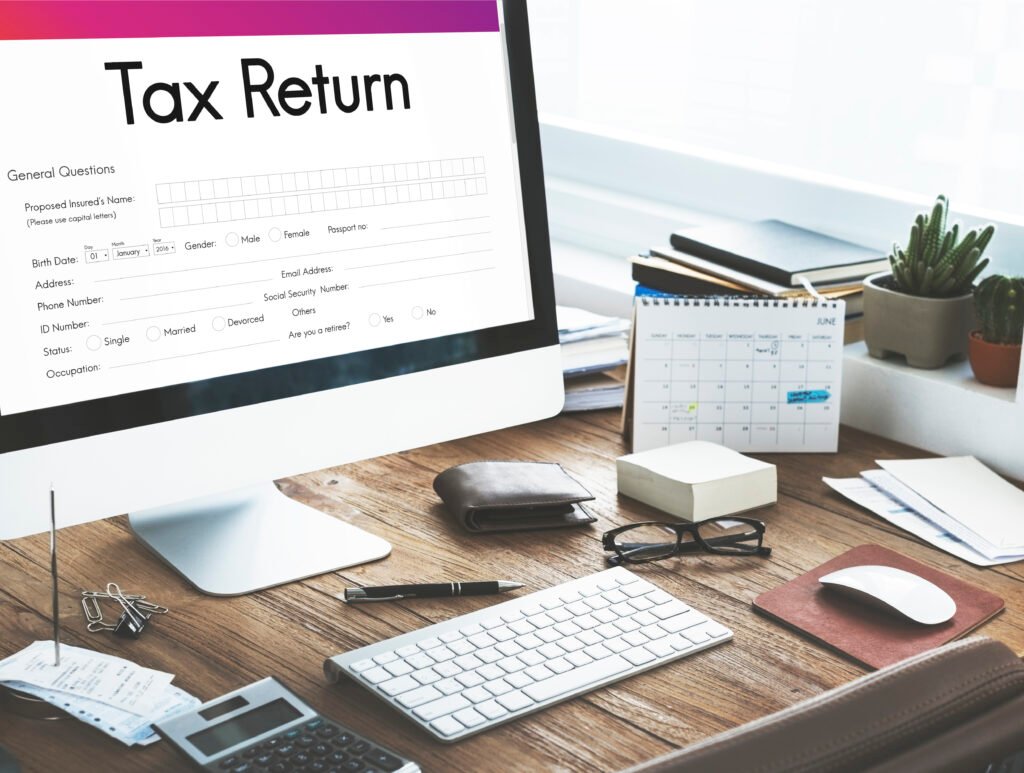
Every small business needs to understand a few key taxes like income tax, GST/sales tax, and sometimes quarterly estimated taxes. When you know what you owe and when, tax season becomes much less stressful.
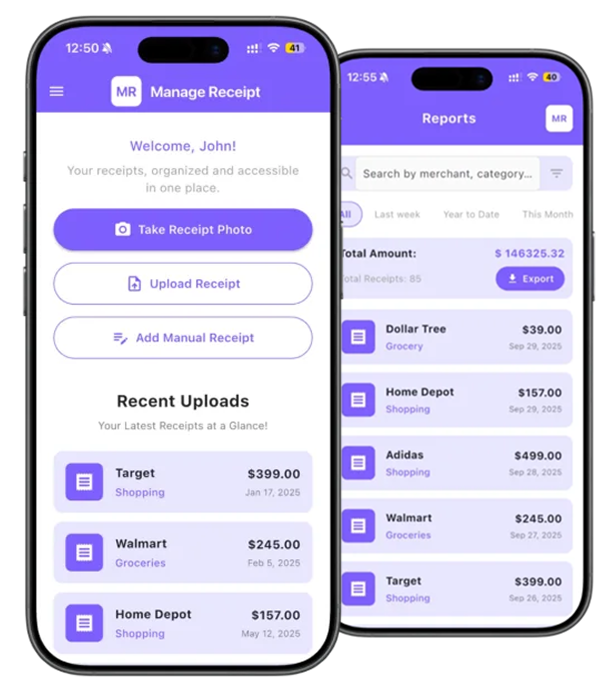
The easiest way to reduce tax stress is to keep your receipts and expenses organized.
Expenses like fuel, office supplies, meals, software, and utilities often qualify for deductions — but only if you have records.
Instead of storing receipts in files or photos, the Manage Receipt app lets you:
Scan receipts instantly
Automatically extract expense details
Store everything securely in one place
Generate clean expense records for tax filing
Perfect for small business owners who want to stay audit-ready.

Mixing personal and business transactions makes tax filing confusing and error-prone.
Use a dedicated bank account or card for business expenses — and let Manage Receipt categorize and store those expenses neatly.

Small businesses often miss easy deductions like:
Internet & phone bills
Equipment and depreciation
Rent, utilities, and software tools
Travel and meals (business related)
Tracking these properly throughout the year can significantly reduce your tax burden.

Instead of panicking at the end of the financial year, review your expenses monthly:
Upload new receipts
Categorize expenses
Review spending
Estimate taxes
The Manage Receipt app makes this process quick and automated — keeping you organized without extra effort.

Tax management becomes simple when your expenses and receipts stay organized. With clean financial records and a smart tool like Manage Receipt, small business owners can file taxes confidently, avoid penalties, and even save money through better deductions.

From smartphones to air conditioners, big purchases come with big responsibilities. With Manage Receipt, you can stop worrying about lost receipt. Whether you’re requesting a refund or sending a product for repair, your receipts are always there when you need them.


© 2025 Manage Receipt. All Rights Reserved.
