


If you use your vehicle for business, you may be missing out on one of the most valuable tax deductions available. The vehicle mileage deduction for small businesses allows you to reduce your taxable income — but only if you track your usage correctly and choose the right method. Let’s break it down simply.
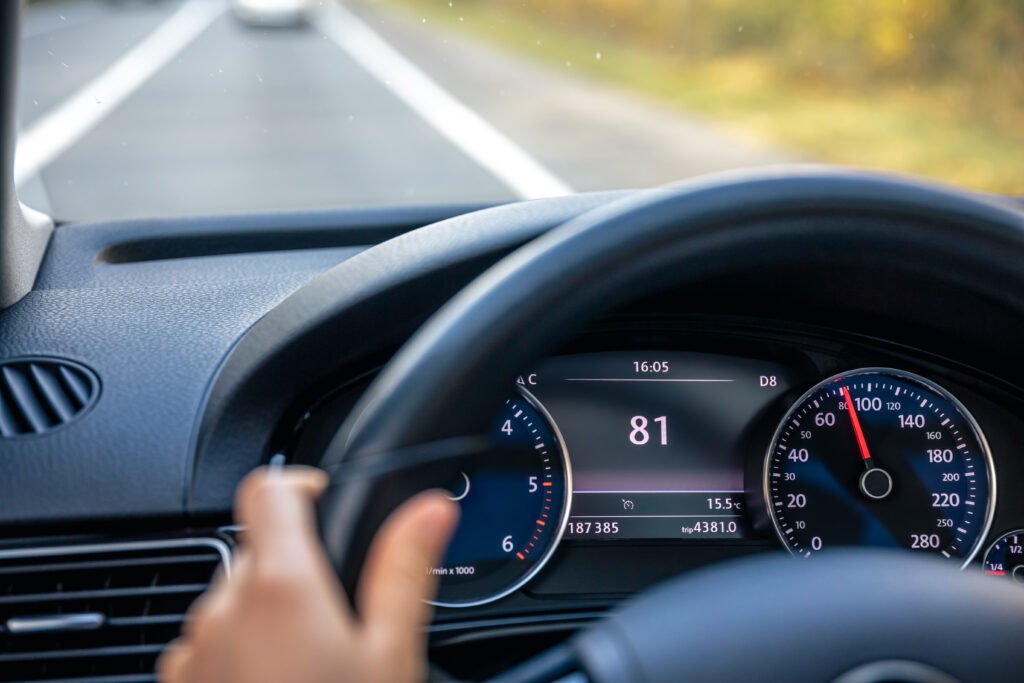
A mileage deduction allows you to claim the cost of using your vehicle for business purposes.
This includes trips for:
It does not include personal use or commuting.
Proper tracking is essential for claiming this deduction.

There are two ways to calculate your business vehicle expense deduction.
Standard Mileage Rate
This is the simpler method.
You multiply:
👉 Business miles driven × IRS mileage rate (set annually)
This rate already includes:
It’s designed to simplify small business expense management.
Actual Expenses Method
This method calculates real costs, including:
Then you apply the percentage of business use.
For example:
If 60% of your driving is business-related, you can deduct 60% of total vehicle expenses.

It depends on your situation.
The standard mileage method is usually better if:
The actual expenses method may be better if:
The key factor is documentation.
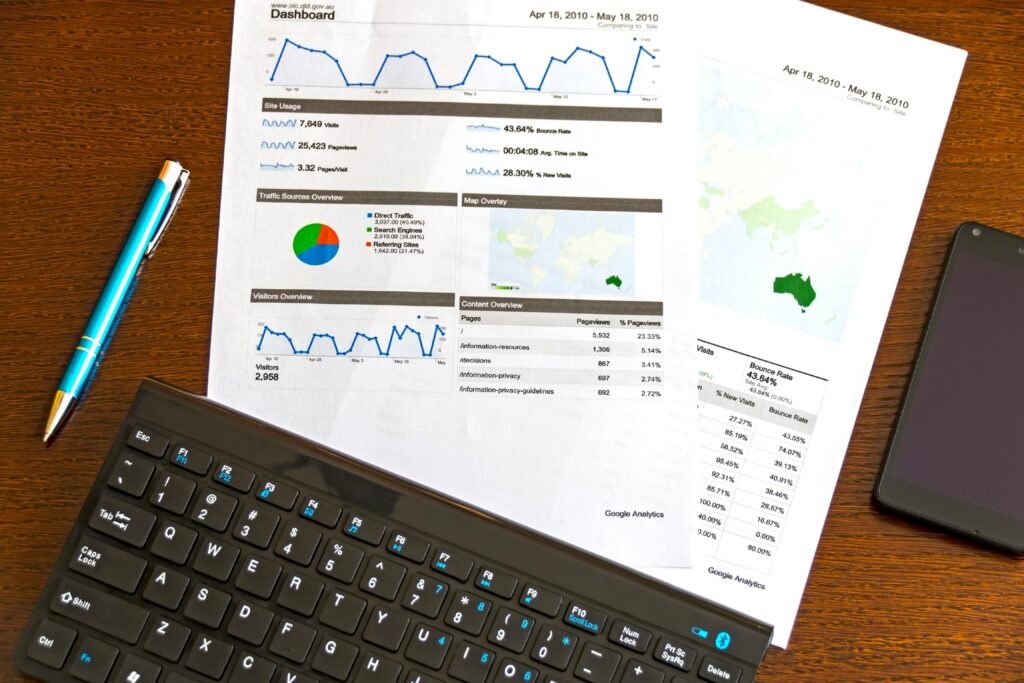
No matter which method you choose, tracking is non-negotiable.
You must maintain:
Without proper records, deductions can be denied.
This is where most businesses fail — not in choosing the method, but in maintaining proof.

Many small businesses lose deductions due to simple errors.
These include:
These mistakes reduce your ability to claim the full deduction.
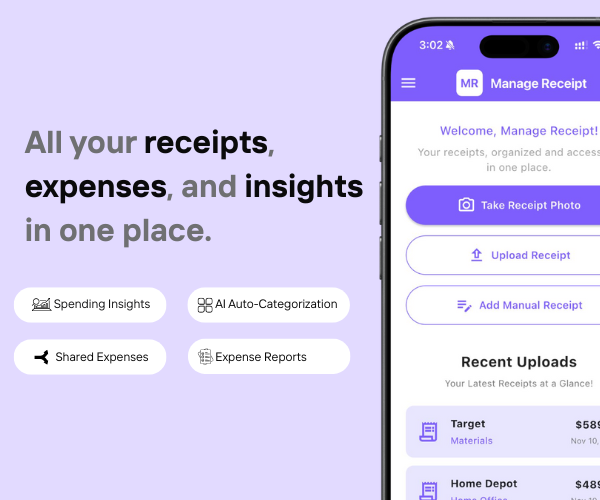
Tracking mileage and vehicle expenses manually can quickly become overwhelming.
Manage Receipt helps simplify this by:
Capture receipts instantly to prevent loss
Store all receipts in one centralized system
Access proof quickly for approvals and audits
Improve visibility into spending
Reduce manual work and admin overhead
This helps SMBs build a cleaner, faster, and more reliable expense process.
Click Here to know more about how Manage Receipt helps small businesses.

The vehicle mileage deduction for small business is one of the easiest ways to reduce taxes — but only when managed correctly.
Choosing between the standard mileage rate vs actual expenses depends on your business usage and record-keeping habits.
But regardless of the method, one thing remains constant:
Accurate tracking and organized records determine how much you actually save.
With tools like Manage Receipt, businesses can simplify expense tracking, maintain proper documentation, and maximize deductions without the stress.
Because in tax planning,
what you track… you can claim.

From smartphones to air conditioners, big purchases come with big responsibilities. With Manage Receipt, you can stop worrying about lost receipt. Whether you’re requesting a refund or sending a product for repair, your receipts are always there when you need them.


© 2025 Manage Receipt. All Rights Reserved.
