



It gives you a real street address, not just a PO box. Most providers offer a physical building address you can use for business registration, banking, and official correspondence, which a traditional PO box often can’t support.
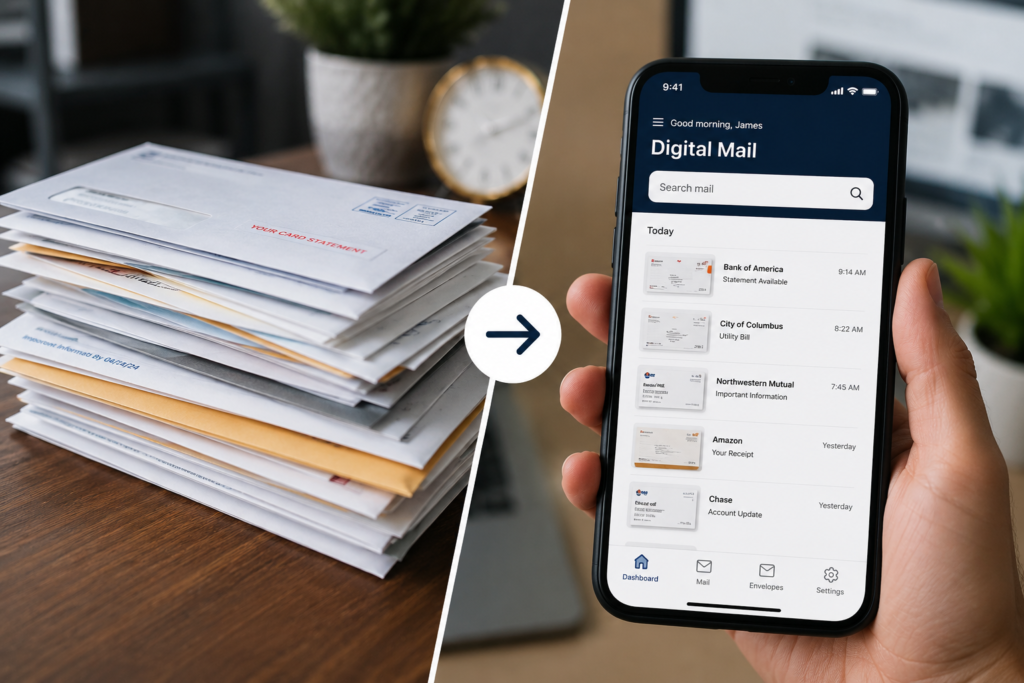
Incoming mail gets scanned and uploaded digitally. The moment mail arrives at the provider’s facility, the envelope is typically scanned and made available through a web dashboard or mobile app, often the same day.
You decide what happens to each piece of mail. From the dashboard, you can usually request the contents be opened and scanned, forwarded to another address, shredded, or held in storage.
Running a gym or fitness studio means juggling equipment costs, instructor pay, class software, and constant maintenance, often all in the same week. However, most studio owners skip proper fitness studio expense tracking and only log the obvious costs like rent and payroll, missing smaller deductions that add up significantly over a year.
Margins in fitness are often tighter than they look. Between equipment, space, and staffing costs, a studio’s profit margin can be thin. Therefore, consistent fitness studio expense tracking directly affects what you actually keep.
Expenses come from many different categories at once. A single month might include equipment repair, a new software subscription, and a marketing push, all needing separate tracking and documentation.
Monthly scan and mail-item limits vary widely. Some plans cap you around 30 to 50 pieces of mail per month, while others charge per item beyond a lower base limit. Therefore, check your expected mail volume before picking a plan.
Check deposit is a valuable add-on for many businesses. If clients still mail paper checks, look for a provider that can deposit them directly to your bank account without you handling the physical check.
Registered agent service is sometimes bundled in. A handful of providers include registered agent service at no extra cost, which can save small business owners from paying for a separate service entirely.
Shredding and long-term storage options differ by provider. Some services offer free secure shredding and a few months of storage, while others charge extra for holding mail beyond a short window.

Entry-level plans often start under $15 a month. Many providers offer a basic tier for light mail volume, generally covering a limited number of scans before additional per-item fees kick in.
Mid-tier plans usually fall in the $20 to $40 range. These tiers typically raise the mail-item cap and may add features like multiple recipients or a business-specific address.
Premium and enterprise tiers scale higher for heavy mail volume. Businesses receiving frequent mail, checks, or packages often need a higher tier, and pricing at this level varies significantly by provider.
Annual billing often comes with a discount. Several providers offer a reduced rate for paying yearly instead of monthly, which can meaningfully lower the effective cost if you’re committing long-term.

Per-page and per-item fees can add up fast. A plan that looks cheap on the surface may charge extra once you exceed scan or content-viewing limits, so read the fine print on overage fees.
Forwarding costs are often separate from the base plan. Physically forwarding a piece of mail usually incurs its own shipping fee on top of your monthly subscription.
Customer support quality varies significantly between providers. Since a virtual mailbox handles time-sensitive documents like tax notices, responsive support matters more than it might for other software subscriptions.
Address changes can complicate ongoing business filings. If a provider changes the address tied to your account, it may require updating your LLC filings, bank records, and other official documents, so ask about this before signing up.
Tip: Before choosing a provider, estimate your actual monthly mail volume for the past 3 months. As a result, you can pick a plan that matches your real usage instead of overpaying for capacity you don’t need.

Your subscription fee is generally a deductible business expense. Since a virtual mailbox serves a legitimate business purpose, the monthly or annual fee typically qualifies as an ordinary operating cost.
Save the invoice, not just the payment confirmation. A detailed invoice showing your plan tier and any add-ons gives you better documentation than a generic charge on your card statement.
Separate personal and business mail handling if you use the same provider for both. If you also use a virtual mailbox personally, only the business-use portion should be tracked as a deductible expense.

Manage Receipt scans and categorizes your virtual mailbox invoice the moment you photograph or forward it. Therefore, recurring business subscriptions like this stay organized alongside your other expenses, ready for tax season without digging through old statements.
With Manage Receipt, you can:

Choosing a virtual mailbox service comes down to matching a provider’s pricing and features to how you actually receive mail, not picking whichever name shows up first in a search. Check the scan limits, ask about check deposit and forwarding fees upfront, and confirm the address works for your state’s business filing requirements before you commit.
Once you’ve picked a provider, treat the subscription like any other business expense: save the invoice, track it consistently, and it becomes just another line item that’s ready and organized when tax season rolls around.
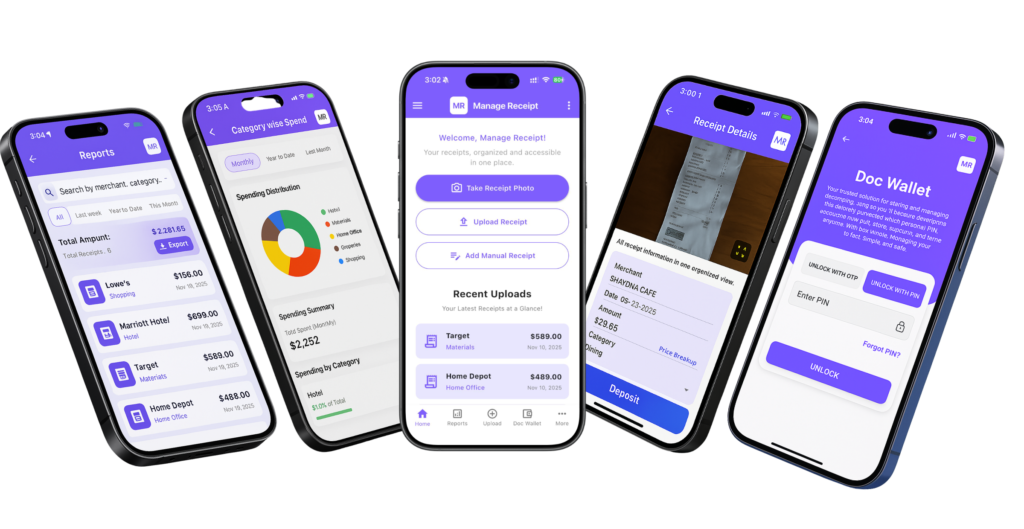
Manage Receipt is designed to simplify the way individuals and businesses manage their financial records. The app allows users to digitize receipts, organize expenses, and generate reports in one platform. With smart tools like receipt scanning, expense tracking, and bill reminders, users can easily monitor their spending and keep their financial data organized.


© 2025 Manage Receipt. All Rights Reserved.
