


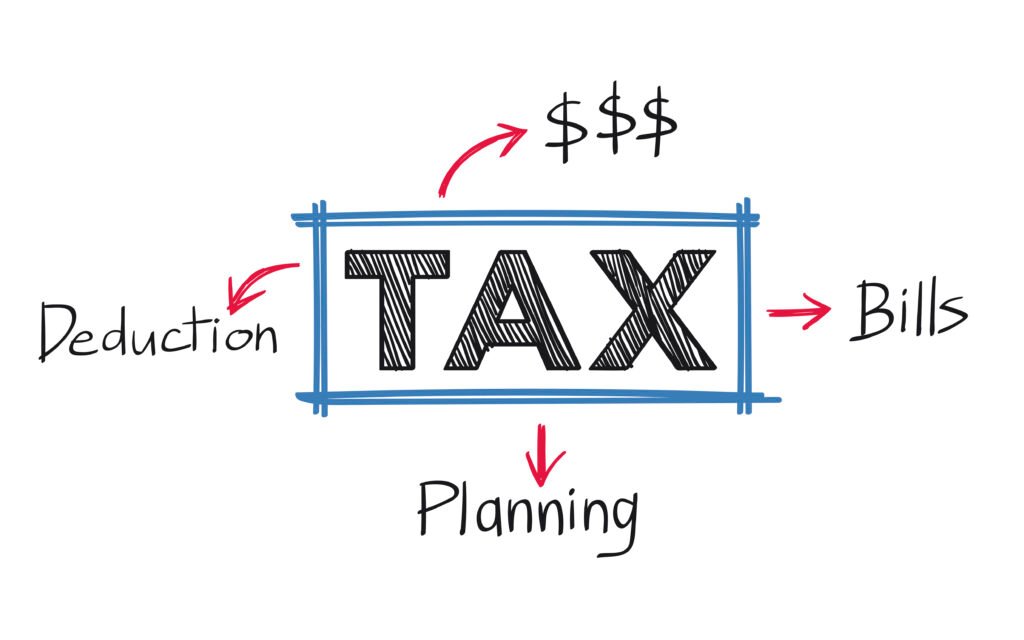
The final weeks of the year are easy to lose — holiday rushes, last-minute client work, planning for what’s next. But these weeks are also your single best opportunity to get your business finances clean, organized, and ready before everything resets. A few hours of structured work now saves you days of painful cleanup in January and makes tax season dramatically less stressful. Here’s everything you need to do before December 31.

Once your accounts are clean, zoom out and look at the full picture.
Pull a complete summary of what came in and what went out this year. Then compare it against last year’s numbers. Ask yourself:
This review isn’t just about taxes — it’s the clearest lens you’ll ever have on how your business actually performed. Use it.
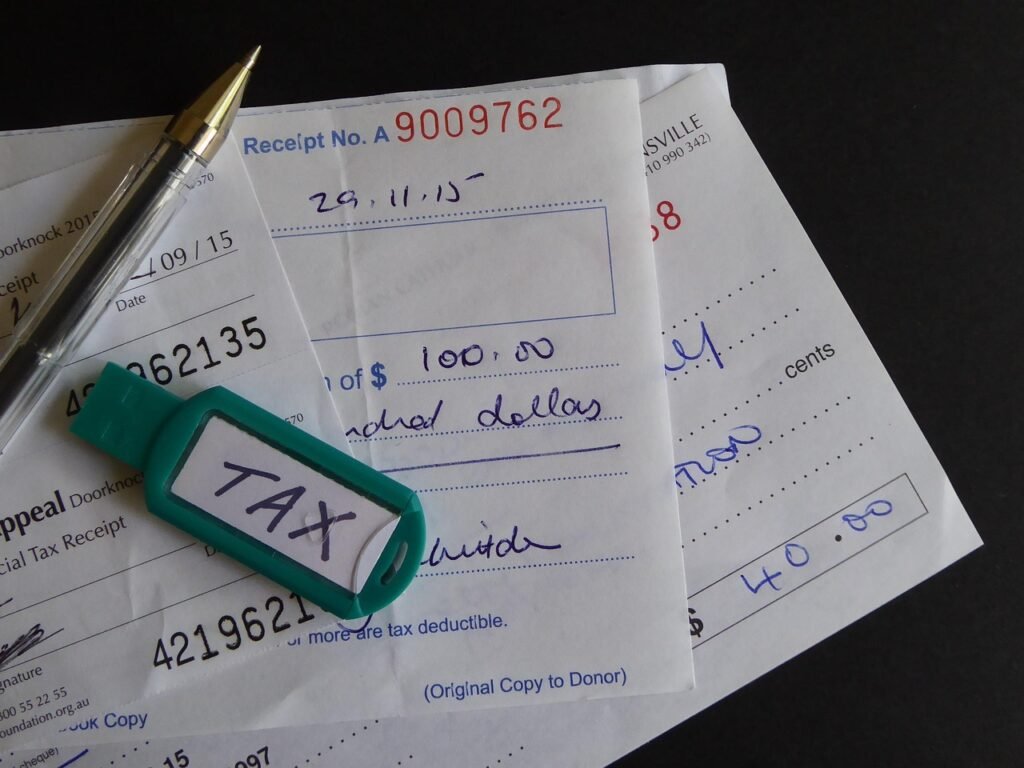
Tax deductions are only as good as the paper trail behind them. If you can’t prove it, you can’t deduct it.
Before the year closes, gather receipts for every deductible expense — major purchases, travel, equipment, software subscriptions, meals, office supplies, anything that qualifies. If they’ve been piling up in a drawer, scattered across your inbox, or sitting in a shoebox — now is the time to consolidate. Go digital wherever possible because paper receipts fade and disappear over time.
The goal is simple: if your accountant asks for documentation on any expense, you should be able to find it in under two minutes.

Don’t wait until April to find out what you owe.
Before December 31, run a rough estimate of your tax liability based on your year-to-date numbers. If you’ve been making quarterly estimated payments, check whether your final payment needs to be adjusted based on how the year actually played out versus your original projections.
This is also your last window for year-end tax strategy moves — accelerating deductible expenses before the year closes, timing major purchases, or deferring certain income if your accounting method allows it. These strategies only work if you act before the calendar flips, so run the numbers now while you still have time to do something about them.

If you have employees or work with independent contractors, get your records airtight before year-end forms go out.
For contractors, confirm that all information — names, addresses, tax IDs — is current and accurate so 1099s can be issued correctly. For employees, verify that payroll totals for the year match what’s been reported quarter by quarter. Mismatches between these numbers create filing headaches that can take weeks to sort out.
Catching a discrepancy now takes a few minutes. Correcting an already-filed form takes significantly longer and sometimes requires amended returns.

With twelve full months of real data in hand, now is the best possible time to plan the next twelve.
Look at where your original budget was wrong — which categories ran over, which revenue streams surprised you in either direction, whether your pricing still makes sense given what things actually cost you to deliver. A budget built on real numbers is exponentially more useful than one built on last year’s guesses or optimistic projections.
Set targets that are ambitious but grounded. Factor in what you’ve learned. And build in a buffer for the unexpected, because there’s always something unexpected.

This step is easy to skip and genuinely important.
Make sure every financial document is backed up somewhere safe — bank statements, invoices, receipts, payroll records, tax filings, contracts. Many of these need to be retained for several years depending on your jurisdiction and the type of record. A reliable, organized, searchable backup protects you if you’re ever audited, need to resolve a dispute, or simply need to look something up two years from now.
Cloud backups are ideal. An organized folder structure matters more than most people realize until they need to find something fast.

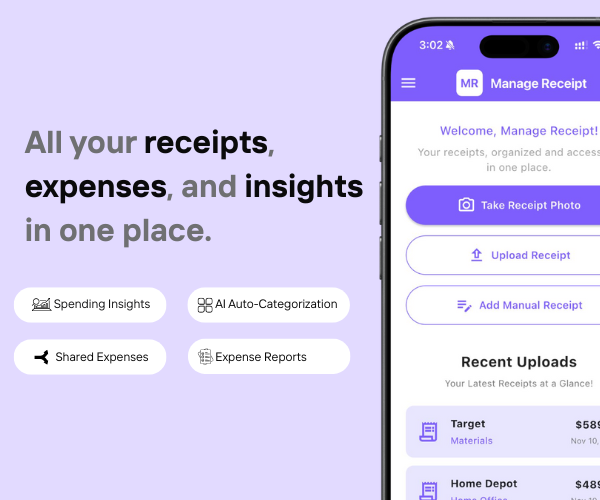
Whether you use a credit card or debit card, the real challenge is organizing proof.
Manage Receipt helps bridge that gap by ensuring every transaction has proper documentation.
With Manage Receipt, you can:
Capture receipts instantly to prevent loss
Store all receipts in one centralized system
Access proof quickly for approvals and audits
Improve visibility into spending
Reduce manual work and admin overhead
The biggest benefit of using ManageReceipt isn’t just the time you save. It’s the money you keep — because every receipt you capture is a deduction you can actually claim.
Try ManageReceipt free today — available on iOS and Android. No credit card required.
Click Here to know more about how Manage Receipt helps small businesses.

None of this has to happen in a single weekend. Spread it across the last few weeks of December and it becomes completely manageable — a checklist you work through steadily rather than a crisis you handle all at once.
The common thread running through every item on this list is the same thing: documentation and clarity. Reconciled accounts, organized receipts, accurate invoices, clean payroll records — all of it comes down to how well you’ve tracked your business throughout the year.
Starting January 1 with a clean financial slate isn’t just satisfying. It means tax season is less painful, your new budget is more accurate, your goals are better grounded, and you’re not spending Q1 cleaning up Q4. That’s a trade worth making every single time.

Every tool on this list helps you run your business better. But none of them matter if your financial records are a mess.
Before you invest in project management software, marketing tools, or e-commerce platforms — make sure your expense tracking is airtight. Every purchase you make for your business needs to be documented, categorised, and stored correctly. Not just for tax season, but for understanding whether your business is actually profitable.
That is exactly what ManageReceipt is built for. Scan a receipt in seconds, add the business purpose, and it is stored, backed up, and export-ready. No shoebox of crumpled paper. No scrambling at tax time.
Download ManageReceipt Free — Start Tracking Expenses Today
iOS & Android | managereceipt.com


© 2025 Manage Receipt. All Rights Reserved.
