A transaction number identifies one specific purchase. It’s a unique code generated by the retailer’s point-of-sale system the moment your payment is processed. Therefore, no two transactions share the same number, even at the same store on the same day.
It’s different from your receipt itself. The receipt is the paper or digital document. The transaction number is just one piece of data printed on it, alongside the date, items purchased, and total.
Retailers use it to pull up your exact purchase instantly. Instead of searching through registers by date and time, staff can locate your transaction in seconds using this single number.


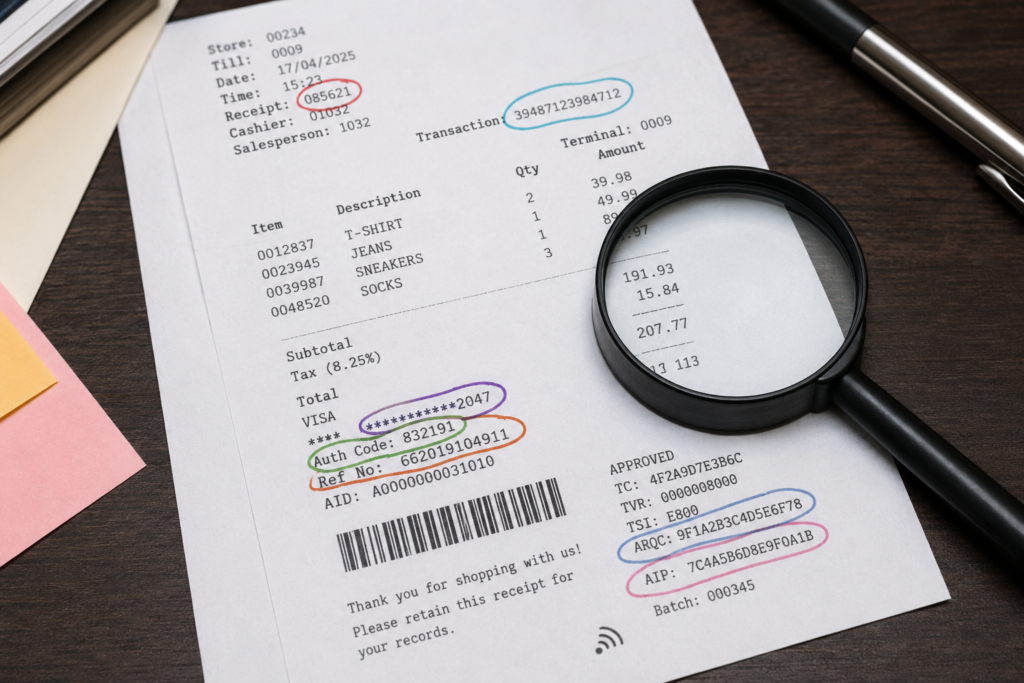
Receipts are covered in numbers, and it’s easy to confuse them. Here’s how the main ones differ:
Transaction Number: Identifies the specific purchase, tied to that exact register session and payment.
Receipt Number: Often the same as the transaction number, though some systems generate it separately.
Order Number: Used mainly for online purchases, tracking the order through fulfillment and shipping.
Reference Number: A broader term, sometimes used for refunds, customer service tickets, or payment processor records.
These terms overlap depending on the retailer. Some stores use “transaction number” and “receipt number” interchangeably. Consequently, always check the exact label printed above the number when a store asks for a specific one.

Returns and exchanges move faster with it. Customer service can pull up your exact purchase, items, and payment method in seconds instead of asking you to describe what you bought.
It helps resolve payment disputes. If a charge looks wrong on your bank statement, the transaction number lets the retailer match it to the exact sale and investigate the discrepancy.
Warranty claims often require it. Manufacturers and retailers frequently ask for the transaction number as proof of purchase date, which determines whether a warranty claim is still valid.
It speeds up price adjustment requests. If an item goes on sale shortly after you bought it, some stores will refund the difference, but only if you can provide the transaction number from the original purchase.
Tip: If you’re returning an item without the physical receipt, some retailers can still look up the transaction using the card you paid with and the approximate date. However, having the transaction number on hand makes the process much faster.


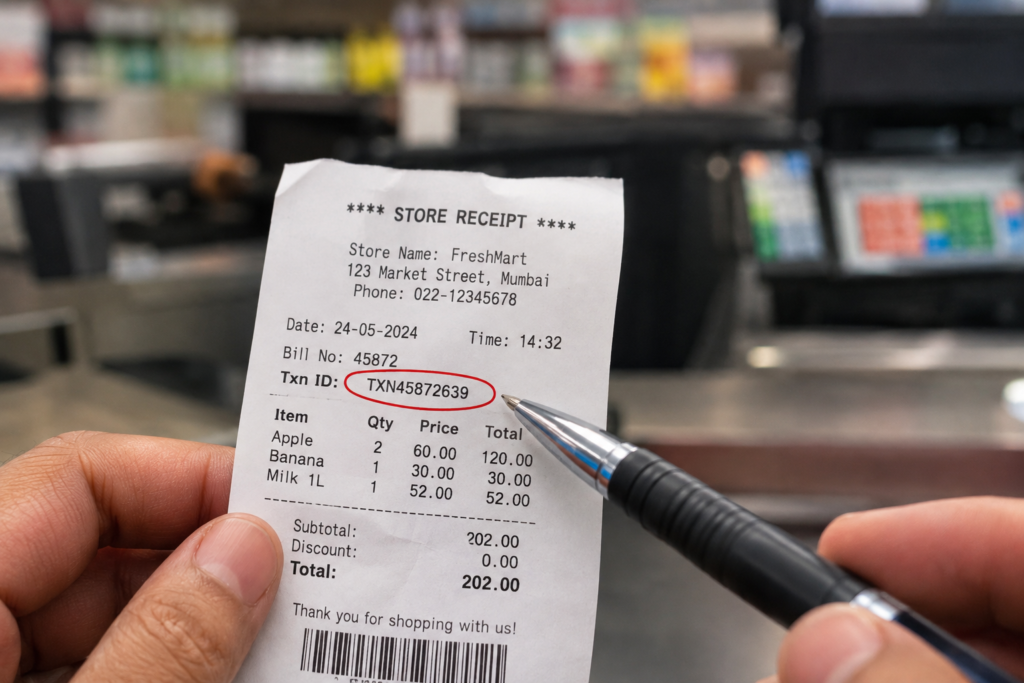
Check near the top or bottom of the receipt. Most printed receipts place the transaction number close to the store’s name and address, or near the payment summary at the bottom.
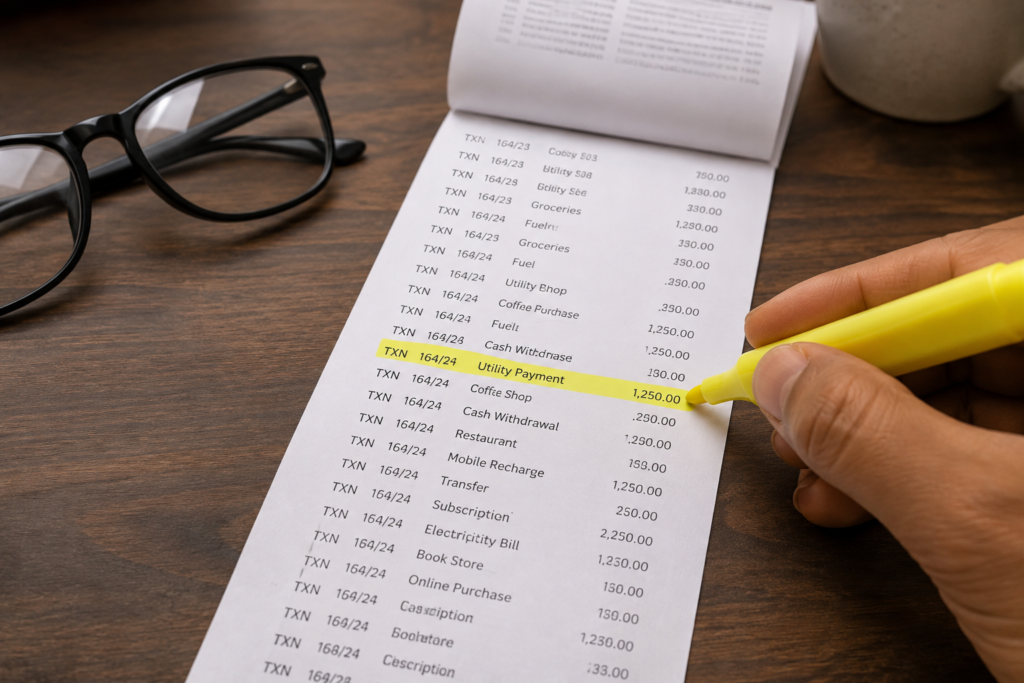
Look for labels like these. Common labels include “Trans #,” “Transaction ID,” “TXN,” or simply “Ref No.” Therefore, scan for abbreviations rather than the full word.
It’s usually a long string of numbers. Unlike a short item count or register number, transaction numbers are typically 6 to 12 digits long, sometimes mixed with letters.

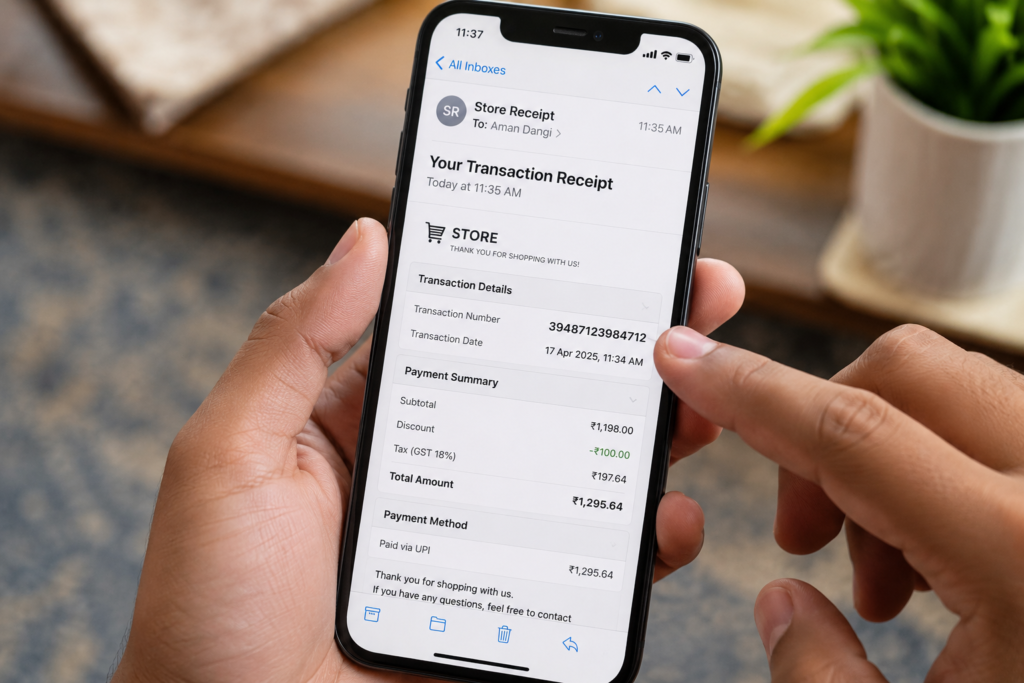
Check the email confirmation subject line or body. Many retailers include the transaction or order number directly in the subject line of the receipt email, making it easy to search for later.
Look inside your banking or payment app. Apps like PayPal, Apple Pay, and most bank apps display a transaction ID for every purchase, which can serve the same purpose if the store receipt is unavailable.
Search your email for the retailer’s name. If you can’t find the original receipt, searching your inbox by store name often surfaces the confirmation email containing the number.


Provide the payment card and approximate date instead. Most point-of-sale systems can search by card number and date range, even without a transaction number.
Check your bank or card statement. The exact charge amount and date on your statement can help a retailer narrow down the transaction, even without the number itself.
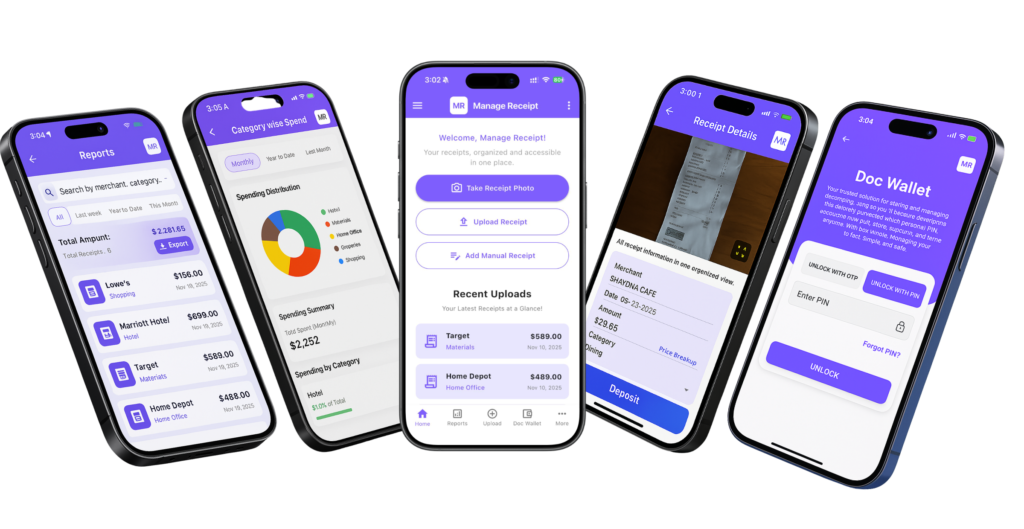
Use a receipt-scanning app going forward. Once a receipt is scanned and stored digitally, the transaction number stays searchable permanently, so you never have to dig through a wallet or drawer again.

A transaction number looks like just another string of digits on a receipt, but it’s actually the fastest way to prove a purchase happened. Whether you’re returning an item, disputing a charge, or filing a warranty claim, having that number ready saves you time and back-and-forth with customer service.
The easiest fix going forward is to stop relying on paper. Scan every receipt as soon as you get it, and the transaction number stays searchable long after the physical copy fades or gets lost.


Manage Receipt is designed to simplify the way individuals and businesses manage their financial records. The app allows users to digitize receipts, organize expenses, and generate reports in one platform. With smart tools like receipt scanning, expense tracking, and bill reminders, users can easily monitor their spending and keep their financial data organized.
© 2025 Manage Receipt. All Rights Reserved.