





Website Maintenance Costs: Hosting, Security, and Updates

Why Website Maintenance Costs Are Easy to Overlook

Most charges are small and automatic. Hosting, domain renewals, and plugin subscriptions are usually billed automatically, so they rarely prompt the kind of attention a large one-time purchase would.

Costs come from many different vendors. Your hosting provider, domain registrar, security service, and plugin developers may all bill separately, making it easy to lose track of the full picture.

Maintenance feels invisible until something breaks. A well-maintained site runs quietly in the background, which paradoxically makes it easy to forget these costs are even happening.

Hosting and Domain Costs

Hosting and Domain Costs

Hosting fees are typically billed monthly or annually. This is usually the largest recurring website cost, and the fee is generally deductible as an ordinary business expense.

Domain registration and renewal fees are separate from hosting. Don’t assume your hosting invoice covers this, since many providers bill domain renewals on a completely different cycle.

Upgrading hosting plans as traffic grows is a common cost increase. If your site outgrows a basic plan, the higher-tier hosting cost is still a standard deductible business expense.

Security and SSL Costs

SSL certificates protect customer data and site credibility. Whether bundled with hosting or purchased separately, this cost is a standard part of running a professional website.

Malware scanning and firewall services add an extra layer of protection. Many businesses pay for ongoing security monitoring, and this recurring fee is deductible alongside other website costs.

Backup services protect against data loss. Automated backup subscriptions are a relatively small but important recurring cost that should be tracked with your other security expenses.

Updates, Plugins, and Ongoing Development

Updates, Plugins, and Ongoing Development

Premium plugin and theme subscriptions add up over time. Many essential website features rely on paid plugins billed annually, and each one should be tracked individually rather than assumed to be a one-time purchase.

Developer maintenance retainers cover ongoing updates. If you pay a developer or agency a recurring fee for updates and troubleshooting, this is a standard deductible professional service expense.

Emergency fixes are a real, if irregular, cost. A site crash or security issue that requires urgent developer help is still a deductible expense, even though it wasn’t planned or scheduled.

What's Typically Deductible

Ongoing hosting and maintenance fees are standard deductions. These recurring costs are generally treated as ordinary business expenses in the year they’re paid.

Major redesigns may be treated differently than routine maintenance. A significant overhaul of your website’s design or functionality could be treated as a capital expense rather than an immediate deduction, so check with a tax professional on larger projects.

Content costs tied to the website are typically deductible too. Stock photography, copywriting, or SEO services purchased for your website fall under standard marketing or professional service expenses.
Tip: Ask your hosting provider and developer for itemized annual invoices rather than relying on scattered monthly charges. As a result, your year-end review becomes much faster.

Let Manage Receipt Track Every Website Expense

Let Manage Receipt Track Every Website Expense

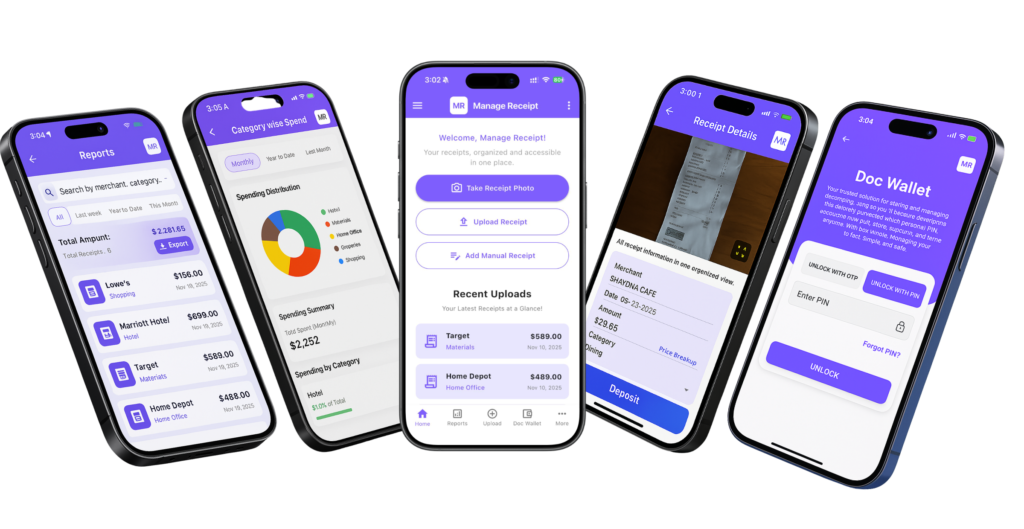
Manage Receipt scans and categorizes hosting invoices, plugin receipts, and developer bills the moment you photograph or forward them. Therefore, a website’s ongoing costs stay organized across every vendor, ready for tax season instead of scattered across a dozen different inboxes.

With Manage Receipt, you can:

  • Upload and organize receipts in one secure place
  •  Keep digital proof for long-term access
  • Track spending and manage expenses easily
  • Maintain digital records for accounting and budgeting


Conclusion

paper-less receipt

A website never really stops costing money after launch, it just changes shape. Hosting, security, plugins, and the occasional emergency fix keep showing up in small, easy-to-miss charges from a handful of different vendors. Tracking each category separately, rather than lumping everything under one vague “website” expense, makes it far easier to see where the real costs are.

Keep a running list of every vendor tied to your site, photograph invoices as they arrive, and review the whole list once a year before renewals hit. That habit turns a scattered set of automatic charges into a clear, deductible part of running your business.
paper-less receipt

FAQs

Are website redesign costs deducted the same way as maintenance?

Not always. A major redesign may need to be capitalized and depreciated rather than deducted immediately. However, consult a tax professional to confirm the correct treatment for a significant project.

Do I need to track domain renewal separately from hosting?

Yes, ideally. These are often billed by different providers on different cycles, so tracking them separately makes it easier to catch a missed renewal before it lapses.

Is an emergency developer fix still deductible if it wasn't planned?

Yes. An unplanned expense is still deductible as long as it's an ordinary and necessary business cost, so keep the invoice just as you would for a scheduled service.

Smart app for organizing receipts and expenses.

Manage Receipt is designed to simplify the way individuals and businesses manage their financial records. The app allows users to digitize receipts, organize expenses, and generate reports in one platform. With smart tools like receipt scanning, expense tracking, and bill reminders, users can easily monitor their spending and keep their financial data organized.