





Cash-Only Small Businesses: Recordkeeping Without a Paper Trail

Why Cash-Only Businesses Face Extra Scrutiny

The IRS pays closer attention to cash-heavy businesses. Since cash is harder to trace, businesses that deal primarily in cash are statistically more likely to face an audit or closer review of their reported income.

Without documentation, income and expenses are easy to underreport or overreport. Memory alone isn’t reliable for reconstructing a full year of cash transactions, which is why consistent daily tracking matters so much more here than in a card-based business.

Good records protect you, not just the IRS. Clear documentation of cash income and expenses is your best defense if your numbers are ever questioned, since there’s no card statement to fall back on.

Tracking Cash Income Daily

Tracking Cash Income Daily

Record every sale at the point of transaction, not from memory later. A same-day log of cash received, even a simple notebook or app entry, is far more reliable than trying to recall totals at the end of the week.

Use a cash register or point-of-sale system whenever possible. Even a basic system that logs transactions creates a digital record that’s far easier to reconcile than handwritten totals alone.

Do a daily cash count and reconciliation. Counting your cash drawer at the end of each day and comparing it against your logged sales catches discrepancies immediately, while you can still remember what happened.

Deposit cash regularly and consistently. Frequent, consistent bank deposits create an external record that supports your internal sales log, rather than letting cash accumulate unbanked for long stretches.

Tracking Cash Expenses

Get a receipt for every cash purchase, no matter how small. A verbal agreement or a purchase with no receipt leaves you with nothing to show if that expense is ever questioned.

Photograph receipts immediately, since cash-purchase receipts often fade fast. Thermal paper receipts from small vendors degrade quickly, so capturing them digitally the same day prevents them from becoming unreadable.

Keep a running cash expense log alongside your income log. Recording what cash went out, not just what came in, gives you a complete picture rather than only half the transaction history.

Note the business purpose for every cash expense. Since there’s no bank statement description to rely on later, a quick note at the time of purchase preserves context you’d otherwise forget.

Building a Simple Daily System

Building a Simple Daily System

Set a consistent time each day for recordkeeping. Whether it’s opening or closing time, doing this at the same point daily builds a habit that’s much harder to skip than an occasional catch-up session.

Use a dedicated notebook, spreadsheet, or app for cash tracking. A single dedicated system, rather than scattered notes, keeps your cash records consistent and easy to review later.

Separate personal and business cash completely. Mixing personal cash with business cash makes your records unreliable almost immediately, so keep them in physically separate places from the start.

Reconcile your records weekly, not just daily. A weekly review catches patterns or errors that a single day’s count might miss.

Common Recordkeeping Mistakes in Cash Businesses

Estimating income instead of tracking it precisely. Rounding numbers or estimating daily totals introduces errors that compound significantly over a full year.

Skipping receipts for small purchases. A handful of small, undocumented cash purchases each week adds up to real gaps in your expense records over time.

Letting cash sit unbanked for too long. Beyond the security risk, undeposited cash makes it harder to reconcile your records against an external source like a bank statement.

Not reconciling daily counts against logged sales. Skipping this step means discrepancies go unnoticed until they’ve compounded into a much larger, harder-to-trace problem.

Let Manage Receipt Organize Your Cash Records

Let Manage Receipt Organize Your Cash Records

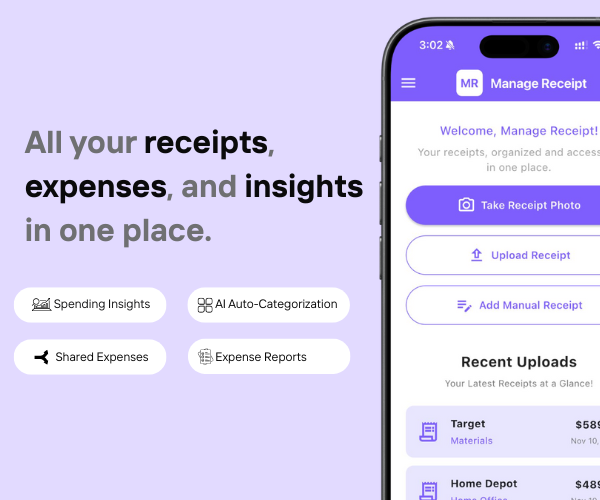
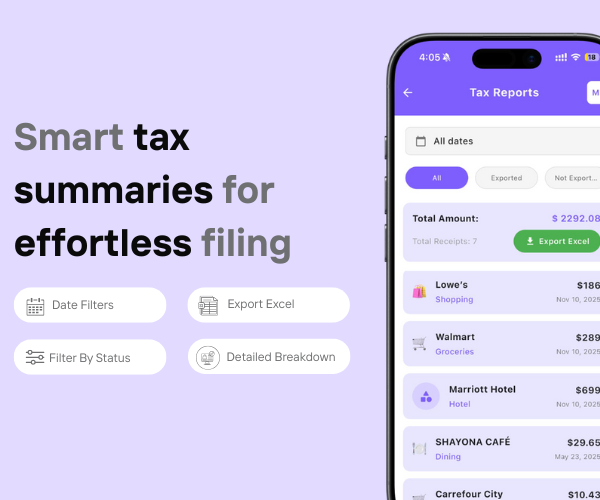
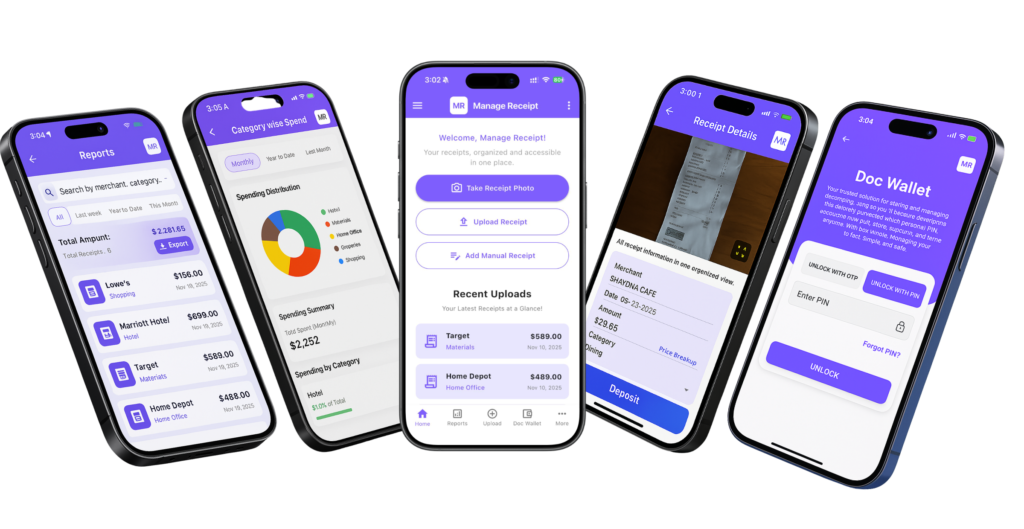
Manage Receipt keeps every receipt and invoice scanned, categorized, and searchable throughout the year, so your year-end review becomes a quick check rather than a full reconstruction. Therefore, when it’s time to sit down with your accountant, your records are already organized and ready to go.

With Manage Receipt, you can:

  • Upload and organize receipts in one secure place
  •  Keep digital proof for long-term access
  • Track spending and manage expenses easily
  • Maintain digital records for accounting and budgeting


Conclusion

paper-less receipt

Running a cash-only business means building your own paper trail instead of relying on the one a card processor creates automatically. That comes down to a handful of consistent habits: log every sale as it happens, get a receipt for every purchase, count your drawer daily, and deposit cash regularly instead of letting it pile up.

None of this needs to be complicated. It just needs to happen every day, in the same way, so that by the time tax season or an audit request comes around, your records already tell the full story instead of leaving you to reconstruct one from memory.
paper-less receipt

FAQs

Do I need to report cash income even without a bank record of it?

Yes. All business income is generally taxable regardless of payment method, so consistent daily tracking is essential when cash doesn't leave an automatic paper trail.

What if I don't get a receipt for a small cash purchase?

Write down the date, amount, and purpose as soon as possible. However, always ask for a receipt when you can, since a written note is a weaker form of documentation than an actual receipt.

How often should I deposit cash into my business account?

Regularly and consistently, ideally on a set schedule like daily or every few days. Consequently, frequent deposits create an external record that supports your internal sales tracking.

Smart app for organizing receipts and expenses.

Manage Receipt is designed to simplify the way individuals and businesses manage their financial records. The app allows users to digitize receipts, organize expenses, and generate reports in one platform. With smart tools like receipt scanning, expense tracking, and bill reminders, users can easily monitor their spending and keep their financial data organized.