



Small Business Banking Fees: What's Actually Negotiable

Why Banks Are Often Willing to Negotiate

Retaining a business customer is usually cheaper than losing one. Banks generally prefer to waive or reduce a fee rather than lose an account entirely, especially one with steady deposit activity.

Fee schedules often have more flexibility than they appear to. Published fee schedules are frequently a starting point rather than a fixed rule, particularly for relationship banking at smaller or regional banks.

Your account history gives you leverage. A business with consistent deposits, low overdraft history, and a longer relationship with the bank is in a stronger position to negotiate than a brand-new account.

Fees That Are Commonly Negotiable

Fees That Are Commonly Negotiable

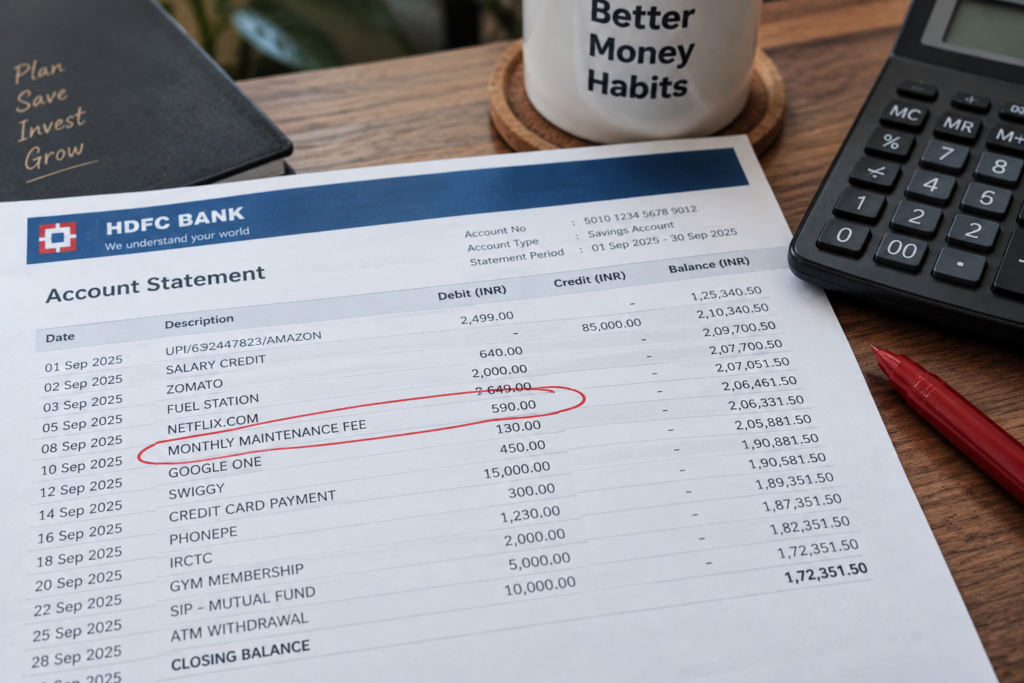
Monthly maintenance fees are often waivable. Many banks will waive this fee entirely if you maintain a minimum balance, or sometimes simply upon request for an established account.

Wire transfer fees can sometimes be reduced. If your business sends frequent wires, ask about a reduced rate or a bundled package rather than paying the standard per-wire fee every time.

Overdraft fees are negotiable, especially for a first-time occurrence. Banks will frequently waive a single overdraft fee for an account in otherwise good standing, particularly if you call promptly after it happens.

ATM and cash deposit fees may have room for adjustment. If your business handles significant cash deposits, ask whether a different account tier offers a higher fee-free deposit limit.

Fees That Are Rarely Negotiable

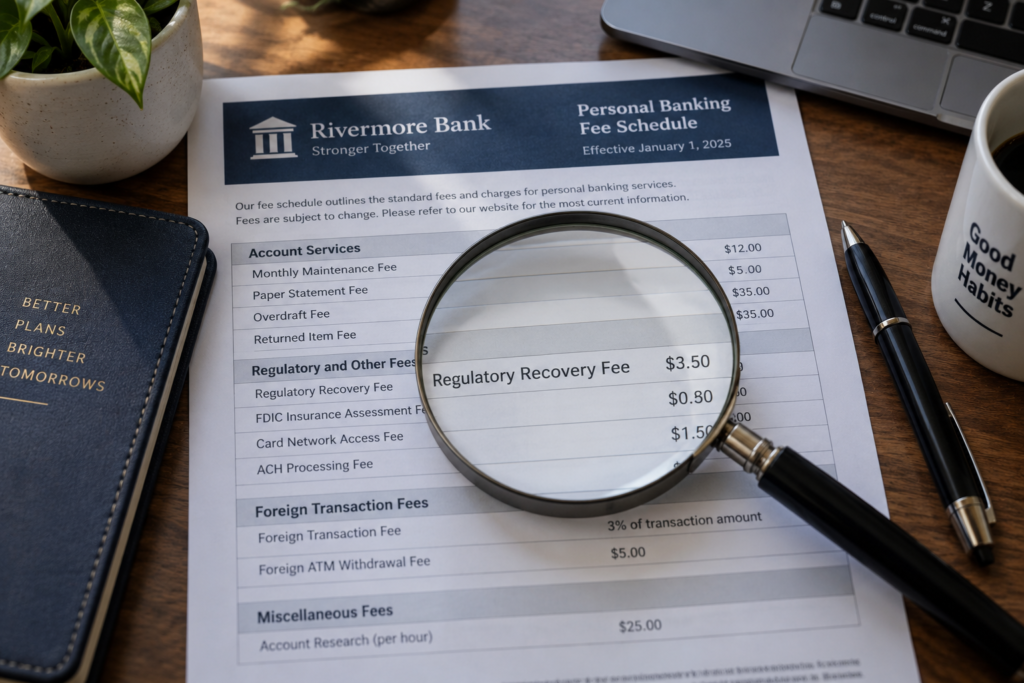
Regulatory or compliance-related fees typically aren’t flexible. Charges tied to legal or regulatory requirements are usually fixed across all customers, regardless of account history.

Third-party processing fees are outside the bank’s direct control. Fees passed through from a payment processor or card network generally can’t be negotiated directly with your bank.

Stop payment and certain administrative fees are usually standard. These smaller, transaction-specific fees are less likely to be waived compared to larger, recurring charges.

How to Approach the Negotiation Conversation

How to Approach the Negotiation Conversation

Call rather than email, and ask for a relationship manager if available. A direct conversation gives the bank representative more flexibility to make an exception than a general customer service inquiry.

Reference your account history specifically. Mentioning how long you’ve banked there, your typical balance, or your transaction volume gives the representative context to justify a waiver.

Ask directly whether the fee can be waived or reduced. Banks generally won’t offer this proactively, so a direct, polite request is often what actually prompts the waiver.

Follow up in writing if a fee is waived verbally. A quick email confirming the agreement protects you if the fee reappears on a future statement.

When to Consider Switching Banks Instead

Repeated fees with no willingness to negotiate signal a mismatch. If a bank consistently declines to work with you on recurring fees, it may be worth comparing what other banks offer for similar account types.

Compare total cost, not just one fee in isolation. A bank with a lower monthly fee but higher wire or overdraft charges might not actually save you money depending on your typical usage.

Switching costs should factor into the decision. Moving accounts takes time and can disrupt automatic payments, so weigh the ongoing fee savings against the short-term hassle of switching.

Let Manage Receipt Organize Your Cash Records

Let Manage Receipt Organize Your Cash Records

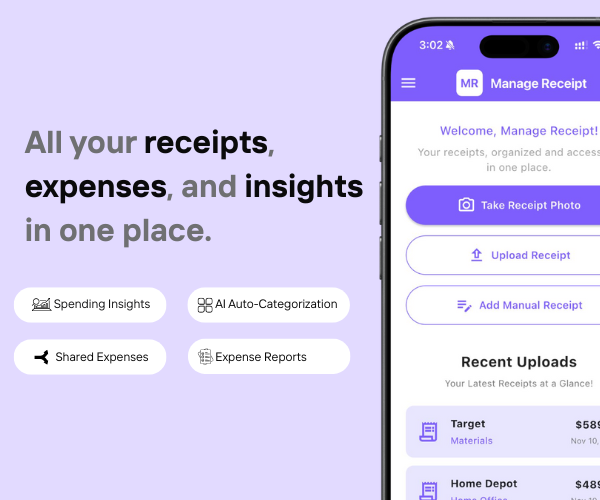
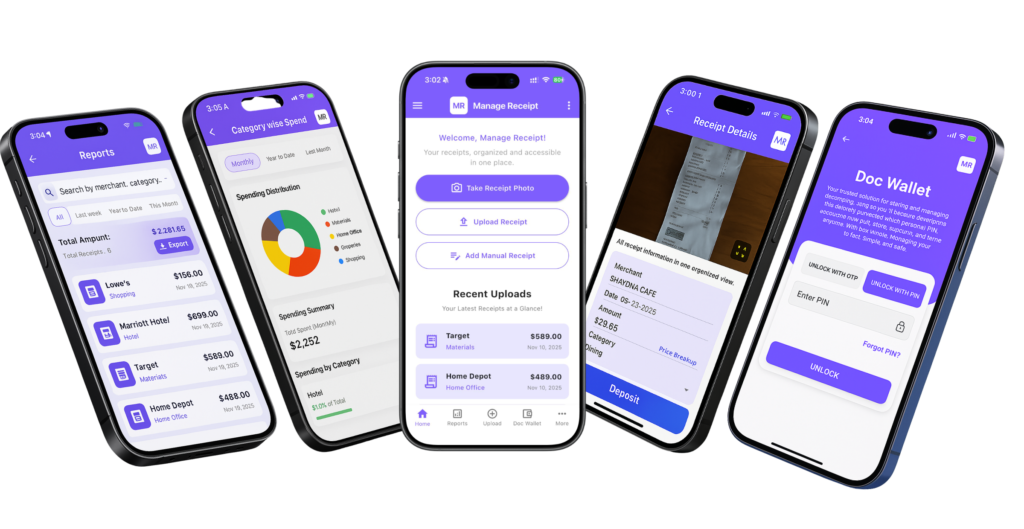
Manage Receipt scans and categorizes your bank statements and fee notices the moment you photograph or forward them. Therefore, tracking banking costs alongside your other business expenses becomes simple, and you’ll have a clear record ready if you ever need to reference your account history during a negotiation.

With Manage Receipt, you can:

  • Upload and organize receipts in one secure place
  •  Keep digital proof for long-term access
  • Track spending and manage expenses easily
  • Maintain digital records for accounting and budgeting


Conclusion

paper-less receipt

Most business owners never ask about their banking fees, which is exactly why banks rarely offer to reduce them first. A monthly maintenance charge, a wire fee, or a first-time overdraft penalty is often more flexible than the fee schedule suggests, especially once your account has some history behind it.

Review your statement each month, flag anything that looks negotiable, and don’t be afraid to make the call. A five-minute conversation with your bank costs nothing, and over a year, it can add up to real savings that go straight back into the business.
 
 
paper-less receipt

FAQs

How often can I ask my bank to waive a fee?

There's no fixed limit, but asking too frequently for the same fee may reduce your success rate over time. Therefore, save the request for fees that genuinely stand out or feel unreasonable

Do online-only business banks negotiate fees the same way traditional banks do?

Not always. Online banks often have lower fees to begin with but less flexibility for individual negotiation, since their model relies on standardized pricing rather than relationship banking

Is it worth negotiating fees for a very new business account?

It's still worth asking, but success is less likely without an established history. Consequently, building a track record of consistent activity first can improve your results with future requests.

Smart app for organizing receipts and expenses.

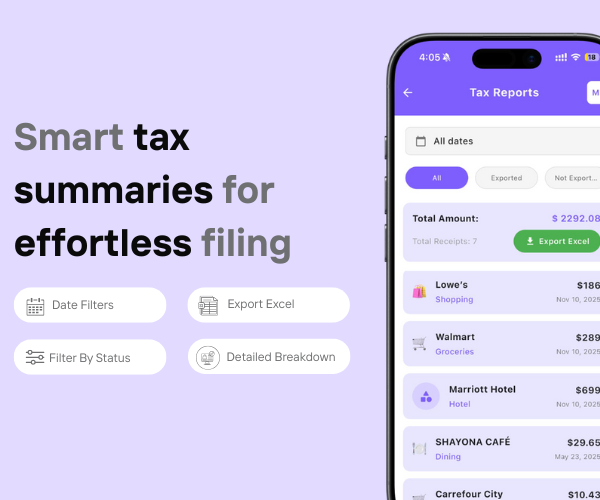
Manage Receipt is designed to simplify the way individuals and businesses manage their financial records. The app allows users to digitize receipts, organize expenses, and generate reports in one platform. With smart tools like receipt scanning, expense tracking, and bill reminders, users can easily monitor their spending and keep their financial data organized.