


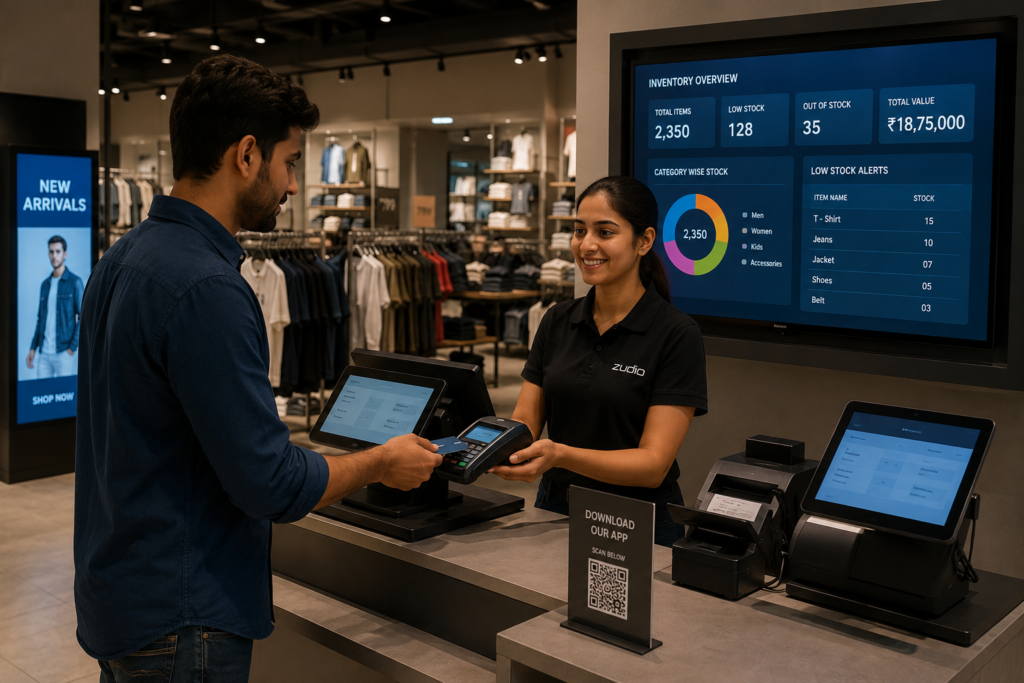
A decade ago, returning items without a receipt was nearly impossible. Most stores wouldn’t even talk to you. But retail has changed dramatically. Here’s why:
- Digital payments leave a trail: When you pay with a credit card, debit card, or mobile payment, the retailer can look up your transaction instantly. No receipt needed — they already have the proof of purchase in their system. Cash purchases are the exception, since there’s no digital trail to verify.
- Inventory tracking is better: Modern retail systems track inventory so precisely that stores can verify an item was in stock on the date you claim to have purchased it. This reduces fraud and makes it easier to process no-receipt returns.
- Customer loyalty programs: If you used a loyalty card or account, the store has everything it needs — transaction date, amount, and items purchased. The receipt is basically redundant.
- Return fraud has shifted: Retailers now focus on fraud prevention differently. They monitor patterns (returning the same item repeatedly, returning high-value items frequently) rather than just checking for a receipt. Honest customers can return items without paperwork.
Most major retailers now consider the receipt optional, not mandatory. They’ve shifted from a paper-based system to a data-based system. If you can show you bought something there, that’s enough.
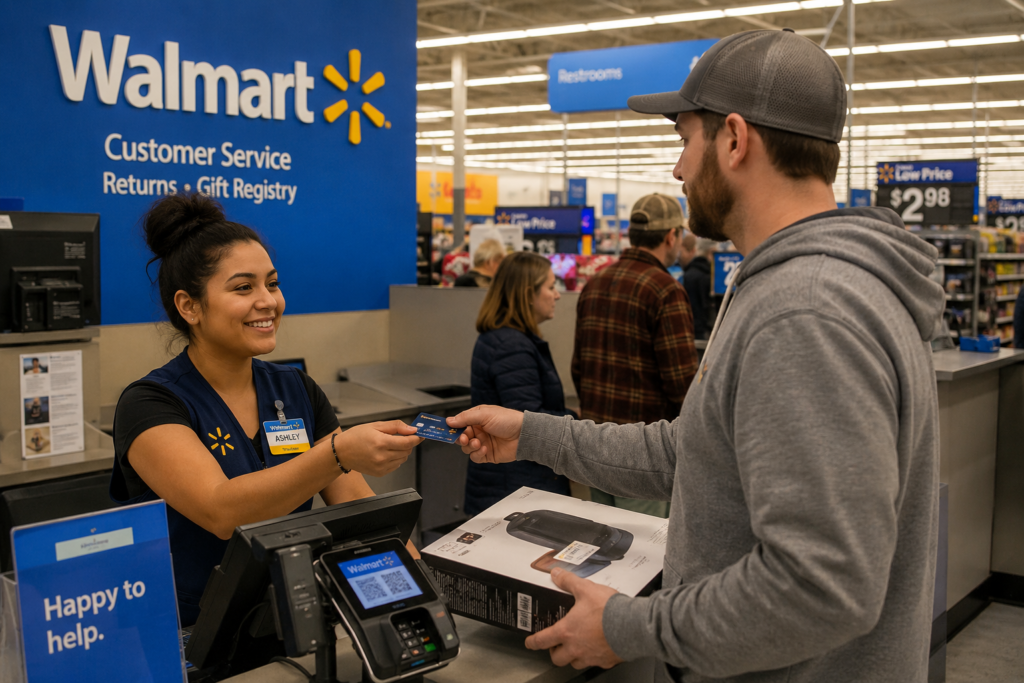
Walmart is generally the most forgiving of major retailers when it comes to no-receipt returns.
The return window is typically 90 days After that, you’ll need a receipt. Also, electronics and some other categories have stricter policies — bring the original packaging and all accessories if you have them.
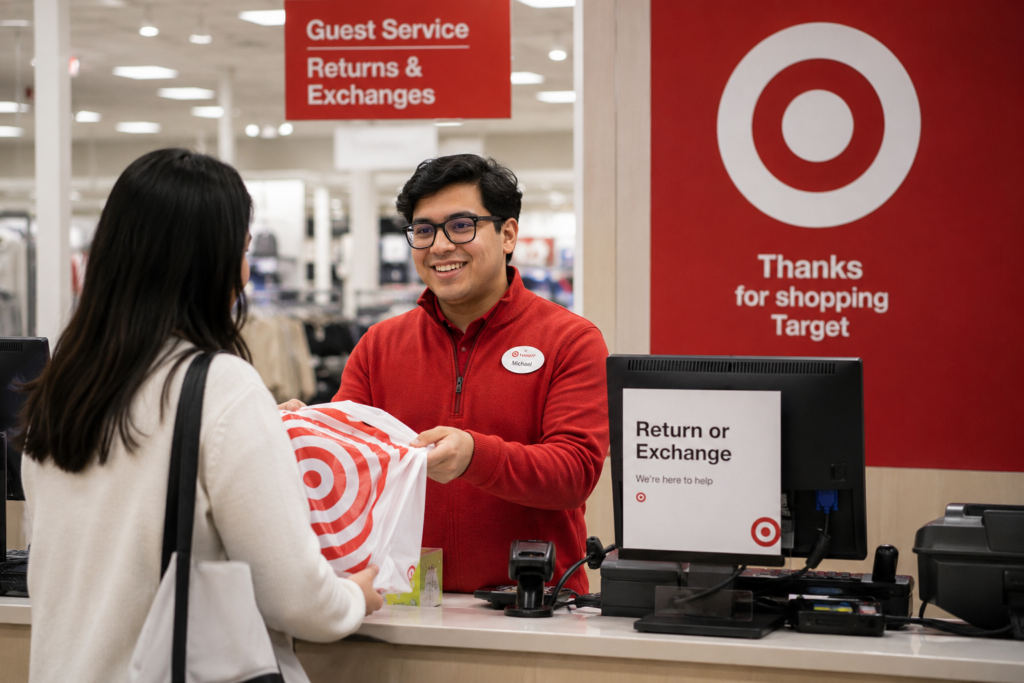
Target’s policy is similar to Walmart’s and just as customer-friendly.
The standard return window is 30 days from purchase. Without a receipt, they may limit you to even shorter windows — sometimes 15-20 days. Keep electronics in original packaging if you think you might return them.
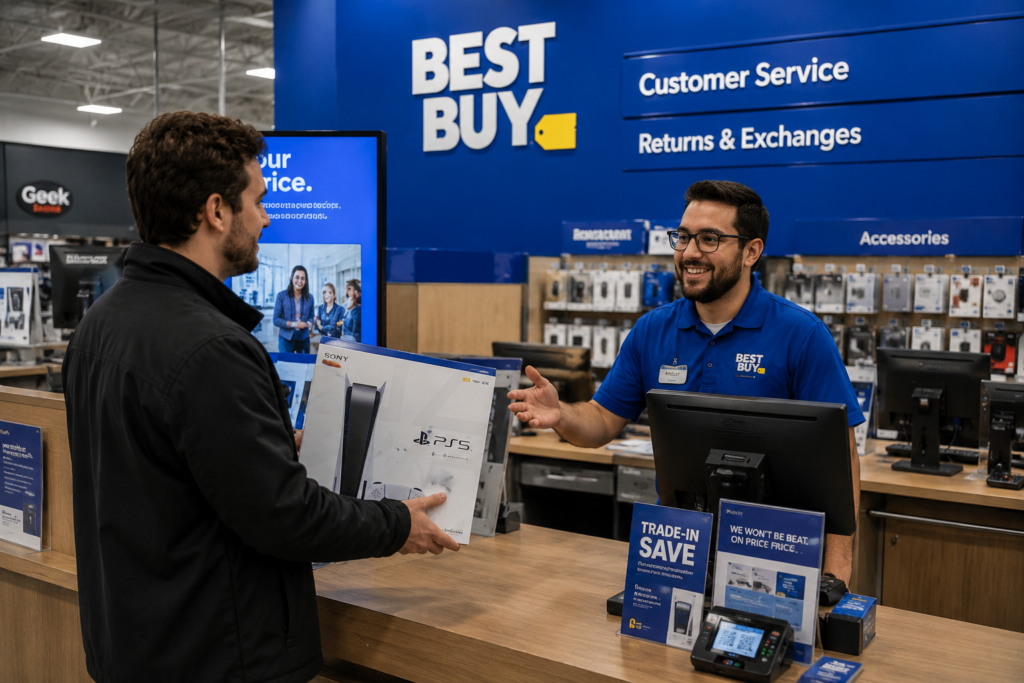
Best Buy requires more verification than Walmart or Target but will still process no-receipt returns.
Best Buy’s return window is typically 15 days for electronics without a receipt (30 days with one). They’re stricter than general retailers because electronics are higher-value items and more prone to return fraud. Opened software and digital products typically cannot be returned at all, receipt or no receipt.
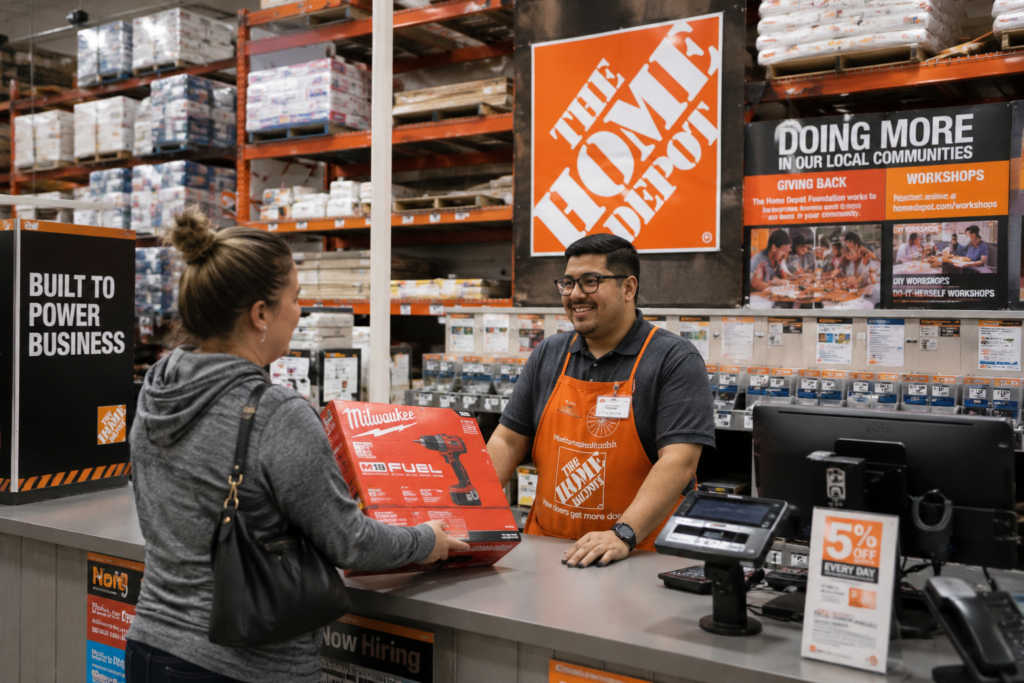
Home Depot is generous with returns for contractors and DIYers alike.
Home Depot’s return window is typically 90 days with a receipt and up to 60 days without one. Some items — like opened chemicals, custom orders, or damaged goods — cannot be returned. Bring the item in original condition and packaging when possible.
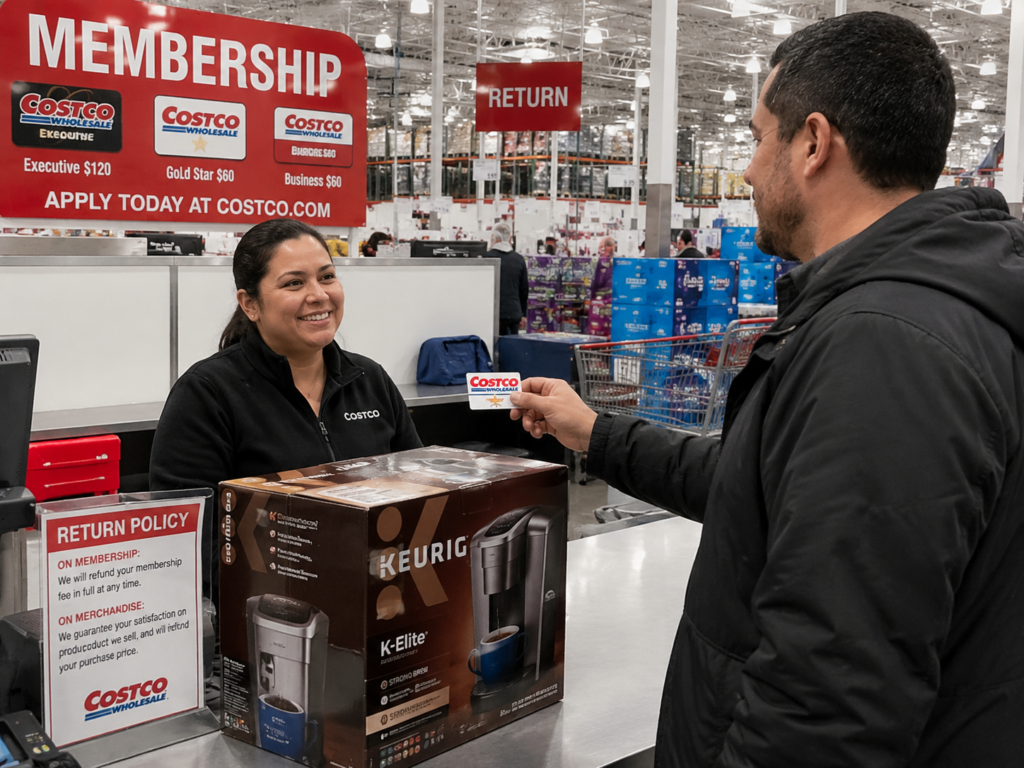
Costco’s return policy is famously generous — sometimes too generous, by their own admission. Even without a receipt, Costco will almost certainly take the item back.
You need an active Costco membership. If your membership has lapsed, bring your old card or account information. Some items — like food, electronics, and certain brand-specific products — may have shorter windows (30-90 days depending on the item).
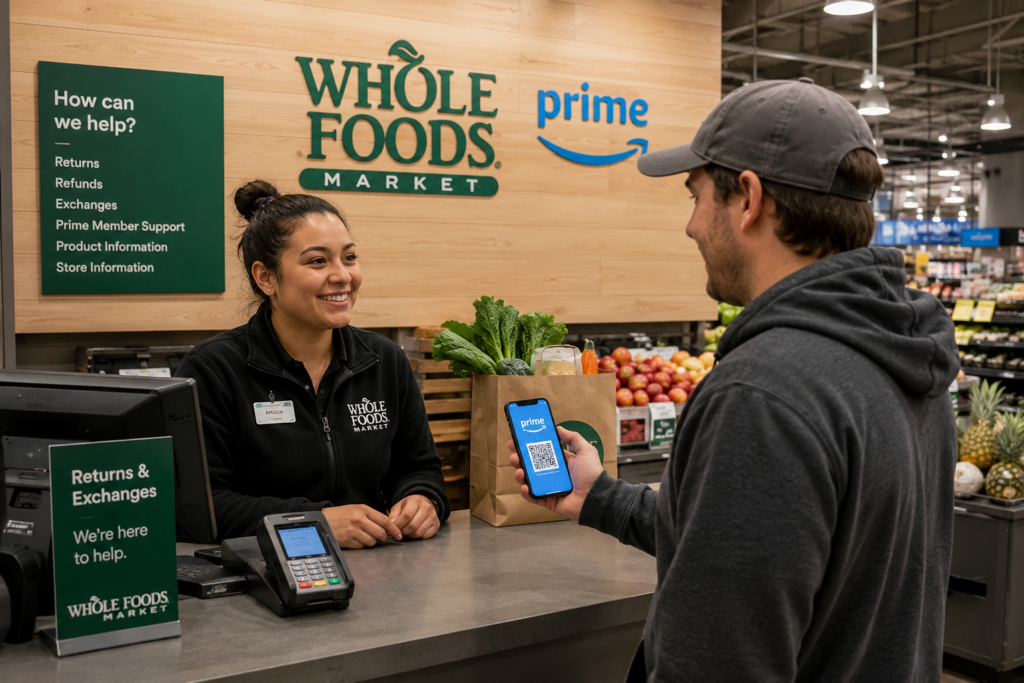
Whole Foods (owned by Amazon) allows returns in most circumstances, even without a receipt.
Perishable and consumable items that have been opened cannot be returned. Most other items have a 30-day window. Bring the item in resalable condition — opened packages and obviously used items are harder to return.
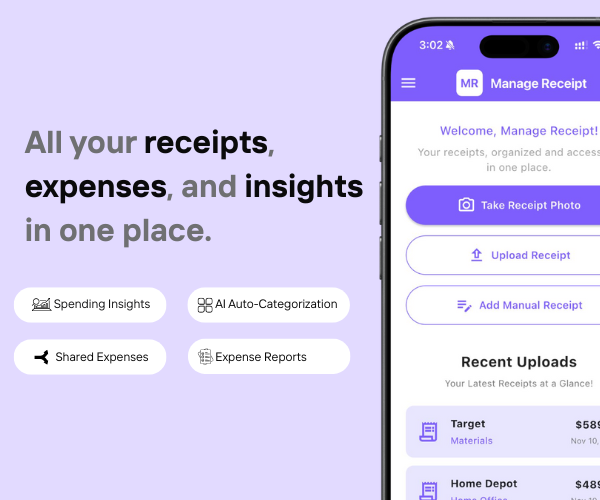
Whether you use a credit card or debit card, the real challenge is organizing proof.
Manage Receipt helps bridge that gap by ensuring every transaction has proper documentation.
With Manage Receipt, you can:
Capture receipts instantly to prevent loss
Store all receipts in one centralized system
Access proof quickly for approvals and audits
Improve visibility into spending
Reduce manual work and admin overhead
The biggest benefit of using ManageReceipt isn’t just the time you save. It’s the money you keep — because every receipt you capture is a deduction you can actually claim.
Try ManageReceipt free today — available on iOS and Android. No credit card required.
Click Here to know more about how Manage Receipt helps small businesses.

Losing a receipt doesn’t mean losing your return. Most major US retailers have moved past the “show me the receipt or no return” policy. They use digital payment systems, loyalty accounts, and ID verification to process no-receipt returns efficiently.
But the rules vary by retailer and item type. Electronics are stricter. Perishables often can’t be returned at all. Cash purchases are harder to prove. So your best defense is simple: capture receipts digitally the moment you get them. A photo or a scan takes seconds and solves return problems forever.
The next time you lose a receipt, you’ll know exactly what to bring and which retailer will work with you. But better yet, you won’t have to worry about it at all.

Every tool on this list helps you run your business better. But none of them matter if your financial records are a mess.
Before you invest in project management software, marketing tools, or e-commerce platforms — make sure your expense tracking is airtight. Every purchase you make for your business needs to be documented, categorised, and stored correctly. Not just for tax season, but for understanding whether your business is actually profitable.
That is exactly what ManageReceipt is built for. Scan a receipt in seconds, add the business purpose, and it is stored, backed up, and export-ready. No shoebox of crumpled paper. No scrambling at tax time.
Download ManageReceipt Free — Start Tracking Expenses Today
iOS & Android | managereceipt.com


© 2025 Manage Receipt. All Rights Reserved.
