

Small Business Year-End Tax Prep: A Complete Checklist

Why Year-End Prep Matters More Than a January Scramble

Details are easier to recall while they’re recent. Reconstructing the business purpose of a March expense in January is far harder than reviewing it in December while the context is still fresh.

Some tax moves only work before December 31. Certain deductions, retirement contributions, and equipment purchases need to happen before the year closes, so waiting until filing season removes those options entirely.

A clean starting point makes next year easier too. Closing out this year properly means January 1 starts with organized books instead of last year’s mess still hanging around.

Income and Revenue Review

Income and Revenue Review

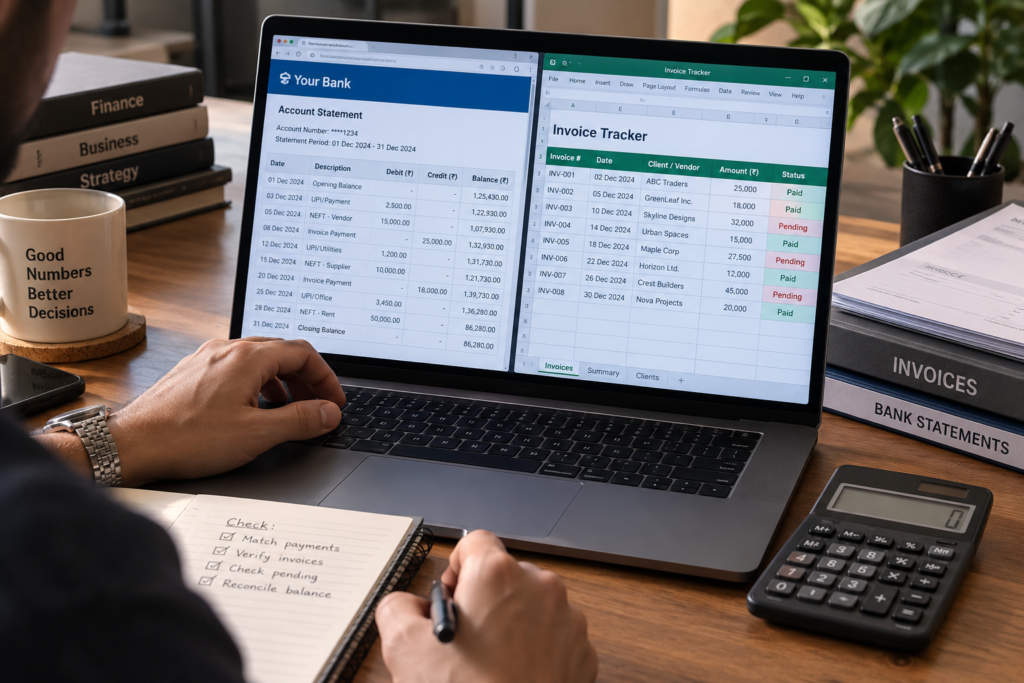
Reconcile total income against your bank deposits. Compare your recorded revenue against actual deposits to catch any missing or duplicated entries before they carry into your tax filing.

Confirm all invoices have been sent and recorded. Outstanding invoices for work completed this year should still be reflected in your records, even if payment hasn’t arrived yet, depending on your accounting method.

Review any income from multiple platforms or payment processors. If you collect payments through several channels, make sure each source has been accounted for in your total revenue picture.

Expense Review and Categorization

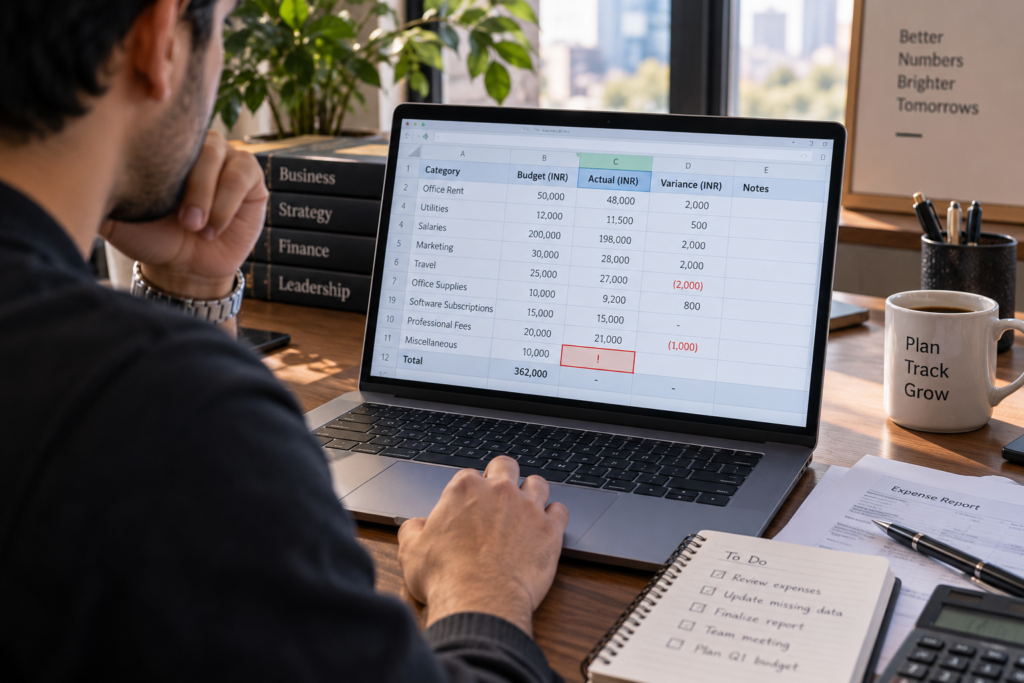
Go through every expense category and check for gaps. Scan each month for categories that look unusually light, which often signals missing receipts rather than genuinely low spending.

Reconcile credit card and bank statements against your expense records. This catches any transactions that were never logged, especially smaller purchases that are easy to forget.

Confirm every expense has proper documentation. A charge without a saved receipt or invoice is harder to defend if it’s ever questioned, so track down anything missing while it’s still findable.

Separate personal and business expenses if anything got mixed. Review for any personal charges that accidentally landed in business accounts, and correct these before they affect your filing.

Contractor and Payroll Records

Contractor and Payroll Records

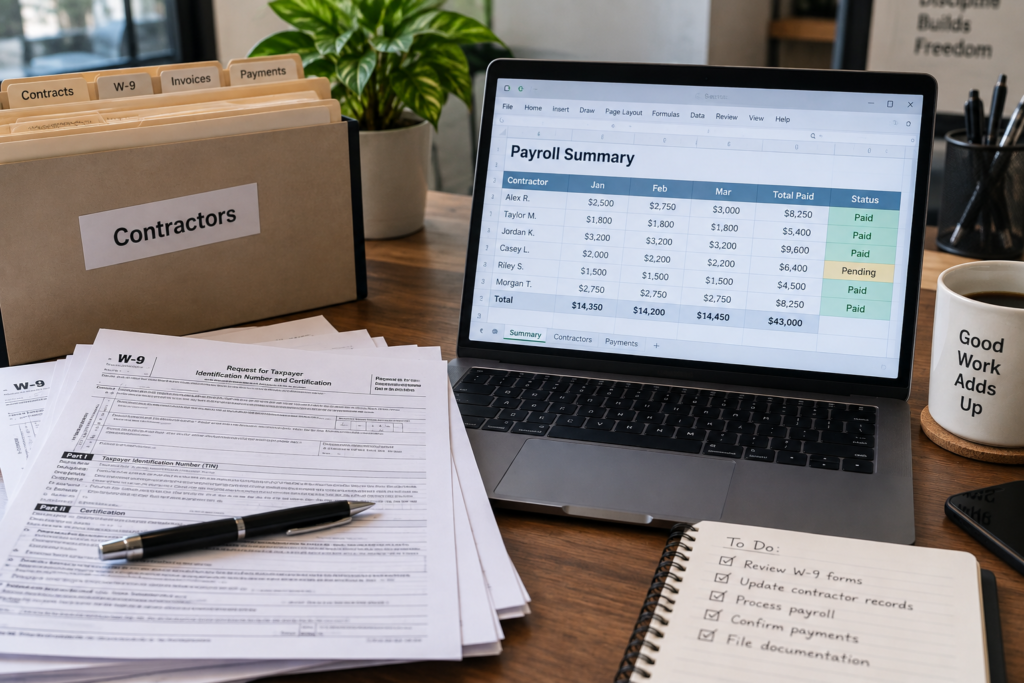
Confirm W-9s are on file for every contractor paid this year. Missing information here can delay your 1099 filings in January, so chase down anything incomplete now rather than later.

Verify running payment totals per contractor. Double-check that your totals match what you actually paid, since discrepancies are much easier to fix before filing deadlines hit.

Review payroll records for accuracy if you have employees. Confirm wages, withholdings, and benefits are recorded correctly before year-end payroll reports are generated.

Asset and Equipment Review

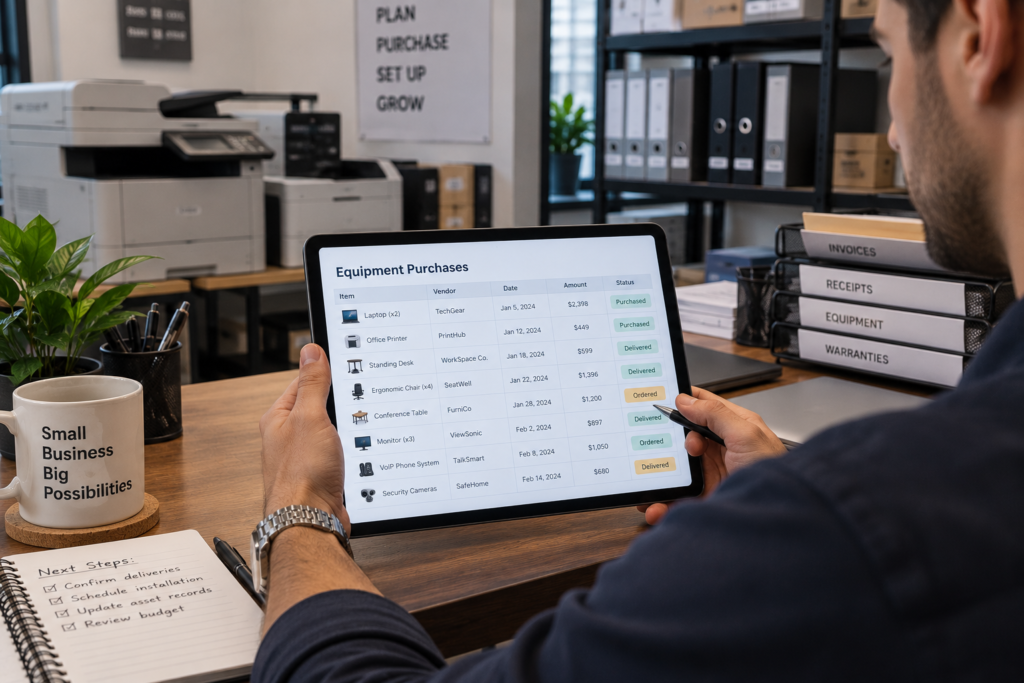
List any equipment or assets purchased this year. Major purchases may qualify for specific deductions, so having a complete list ready simplifies this conversation with your accountant.

Review depreciation schedules for existing assets. Confirm that ongoing depreciation on equipment and property is tracked accurately and hasn’t been missed for the year.

Consider whether any planned purchases should happen before year-end. If you’re planning a purchase early next year anyway, moving it up may offer a tax advantage this year instead.

Let Manage Receipt Simplify Your Year-End Review

Let Manage Receipt Simplify Your Year-End Review

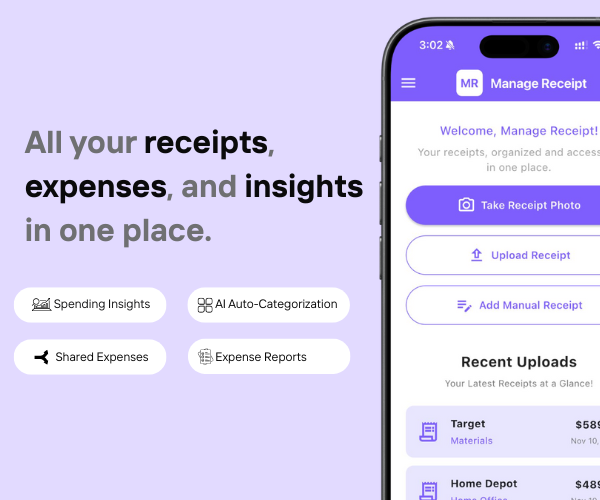
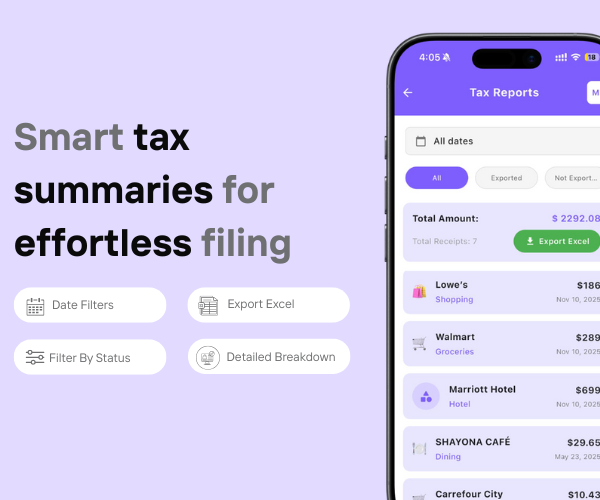
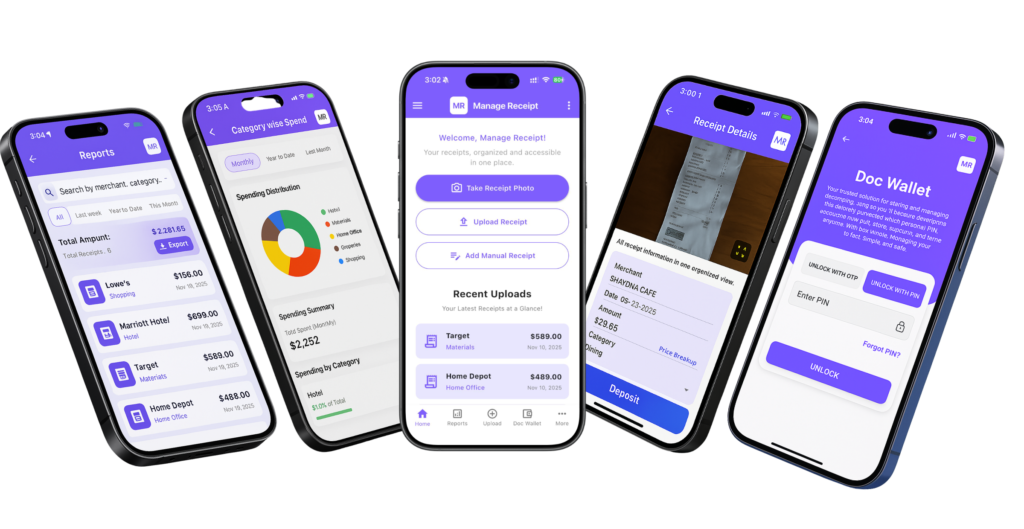
Manage Receipt keeps every receipt and invoice scanned, categorized, and searchable throughout the year, so your year-end review becomes a quick check rather than a full reconstruction. Therefore, when it’s time to sit down with your accountant, your records are already organized and ready to go.

With Manage Receipt, you can:

  • Upload and organize receipts in one secure place
  •  Keep digital proof for long-term access
  • Track spending and manage expenses easily
  • Maintain digital records for accounting and budgeting


Conclusion

paper-less receipt

Year-end tax prep isn’t about doing everything perfectly, it’s about closing gaps while they’re still easy to find. Reconciling income, checking expense categories, confirming contractor totals, and reviewing your assets all take far less time in December than they do in a rushed January scramble.

Block out a little time each week before the year ends, meet with your accountant while there’s still room to act, and next year starts with records that are already clean instead of last year’s loose ends still hanging around.
paper-less receipt

FAQs

When should I actually start year-end tax prep?

Early November is a good starting point for most small businesses. However, starting even a few weeks earlier gives you more room to act on any last-minute recommendations from your accountant.

What if I find missing receipts during my year-end review?

Try to reconstruct them using bank or credit card statements as a backup. Nevertheless, going forward, a receipt-scanning habit prevents this same gap from happening again next year.

Do I need to complete everything on this checklist before December 31?

Not everything, but income and expense reconciliation should be as current as possible by year-end. Consequently, some administrative tasks like organizing receipts can continue into early January without issue.

Smart app for organizing receipts and expenses.

Manage Receipt is designed to simplify the way individuals and businesses manage their financial records. The app allows users to digitize receipts, organize expenses, and generate reports in one platform. With smart tools like receipt scanning, expense tracking, and bill reminders, users can easily monitor their spending and keep their financial data organized.